Arnold Hospitality Press · Chef David Arnold
Insights
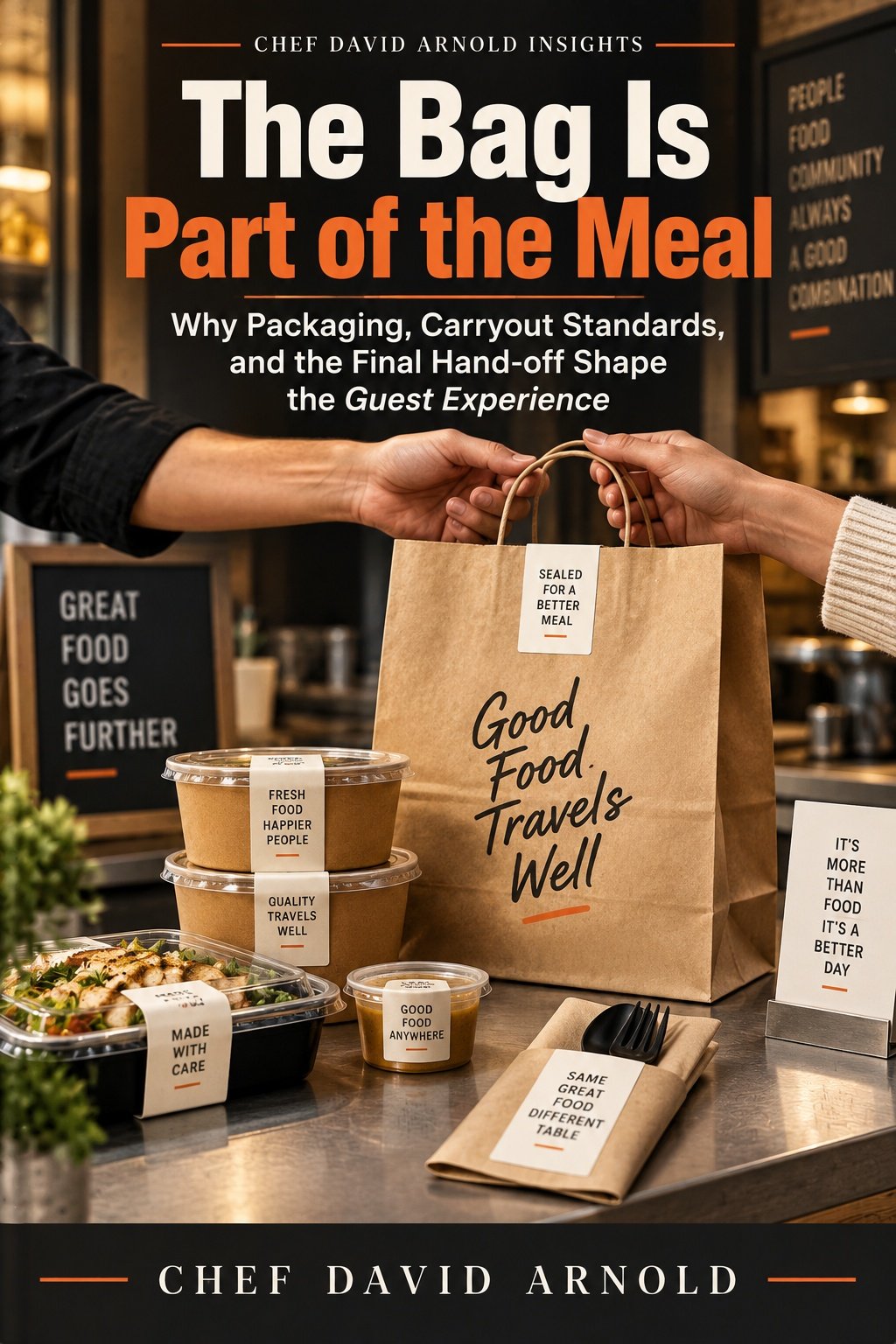
THE BAG IS PART OF THE MEAL
Why Packaging, Carryout Standards, and the Final Handoff Shape the Guest Experience
The guest opens the result of the whole journey.
Inside the operation
The meal looked perfect before the lid closed.
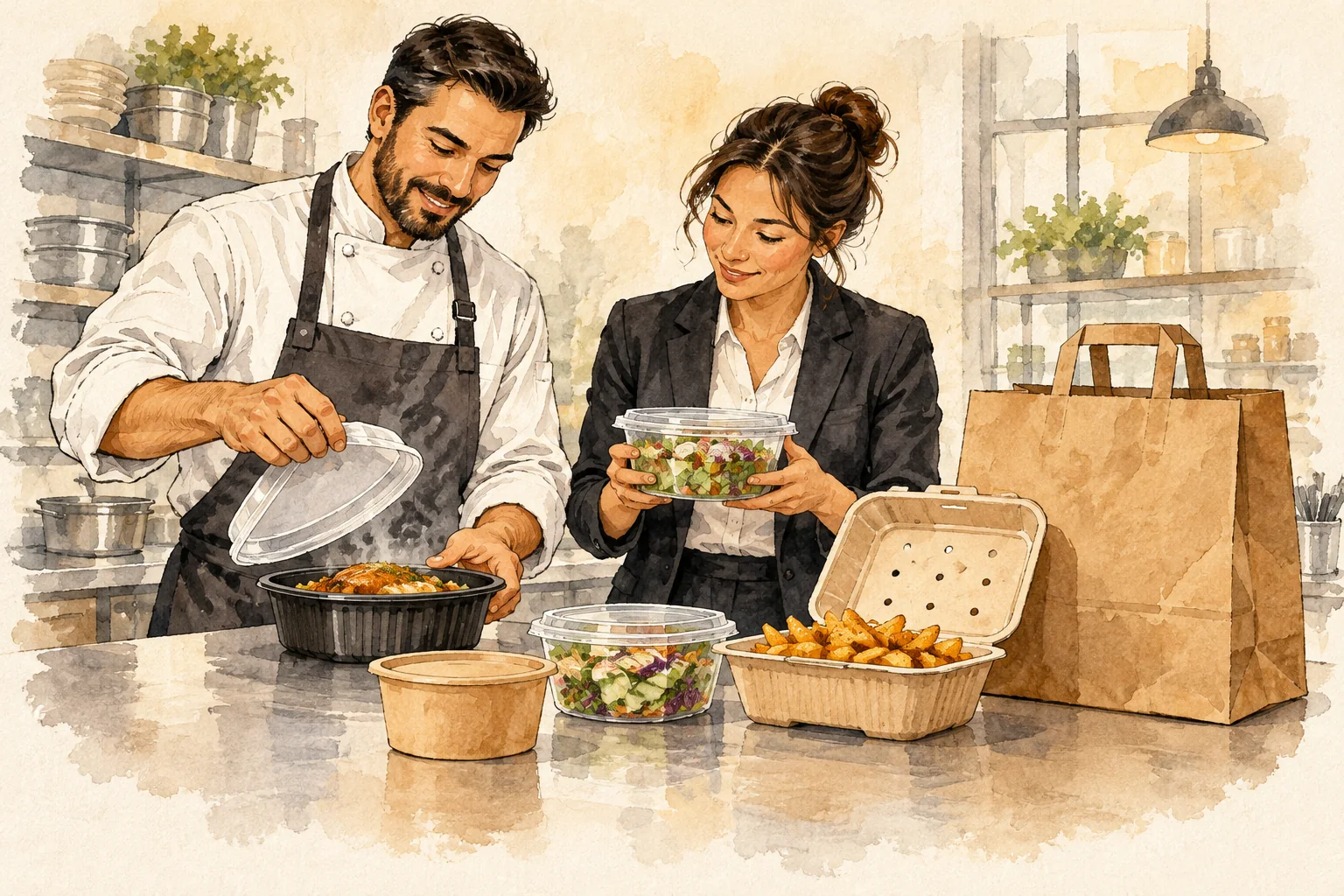
The plate leaves the pass, goes into a container and begins a trip the restaurant cannot see. Steam, temperature, stacking and a leaking lid can change the meal before the guest opens it.
The Bag Is Part of the Meal treats takeout packaging as part of production, quality, branding and the product the guest bought.
Chef David Arnold follows the decision beyond the purchasing price of the container to the condition in which the food actually arrives.
Written for working restaurant owners, chefs and managers who need practical decisions they can put to work during an actual shift.
The book’s practical approach
The guest opens the result of the whole journey.
Match Food and Container
Consider temperature, texture, appearance and the way each menu item travels.
Test the Journey
Examine the packed meal after a realistic trip rather than judging it at the kitchen pass.
Cost the Complete Product
Include the container, lid, seal, bag and packing method in the promise and its economics.
Put the book to work
Bring the guidance into your operation.
Explore the existing companion resources and use the book’s operating guidance alongside the facts from your own restaurant.
Read an excerpt · Author’s Note: Packages Are Not All Created Equal
A Little Taste of the Book
From The Bag Is Part of the Meal
One of the consulting services I have offered over the years is mystery shopping. During the COVID pandemic, when I was living and operating in Dubai, that part of the business suddenly became much more important. A very large casual dining company contacted me because they were about to turn their operations into ghost kitchens and delivery operations almost immediately. They wanted to stay on top of the guest experience even when the guest was no longer sitting in their restaurants.
We had several Zoom meetings about what could go wrong. What surprised me was how quickly the conversation moved away from recipes and toward packaging. They were worried about three things in particular. First, would the food stay warm and still be servable? Second, would the packaging preserve the appearance of the brand rather than make the company look cheap? Third, would the quality the restaurants were known for survive the trip from kitchen to guest?
On the surface, those seemed like reasonable and easily obtainable objectives. They were not. The trials and the failures taught me a lasting lesson about assumptions. We had assumed that packaging was a supply item. In reality, it was part of production, part of quality control, part of branding, and part of the final meal.
Good packaging also cost real money. That opened everyone's eyes. The container, lid, liner, seal, cup, bag, label, and way the food was packed were not incidental expenses. They were part of the product the guest bought.
That lesson never really left me. The moment food leaves the plate and goes into a container, the container becomes part of the meal.
Continue reading in The Bag Is Part of the Meal
Available editions
Choose your edition
Continue reading the published Kindle edition. Amazon provides current pricing and availability for your location.
About the author
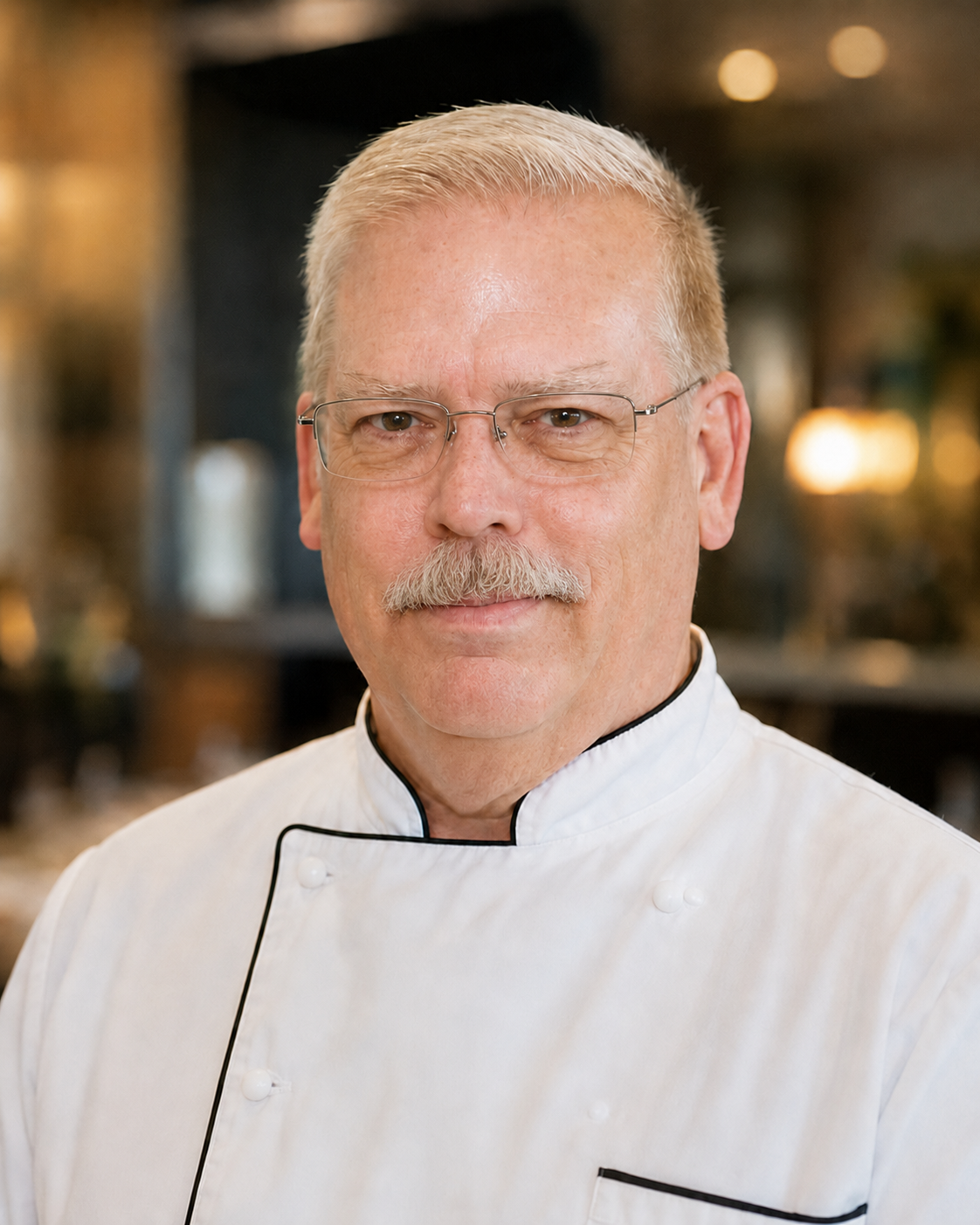
Chef David Arnold
Executive chef, international foodservice operations consultant, author, instructor, and mentor, Chef David Arnold brings more than forty years of hospitality experience to practical management work. His published professional background spans restaurants, hotels, institutional catering, central kitchens, and food manufacturing.
The book draws on Chef David’s consulting work with delivery and ghost-kitchen operations, where the packaging became inseparable from the guest experience.
Continue the work
Related reading
PROFESSIONAL RESTAURANT LIBRARY
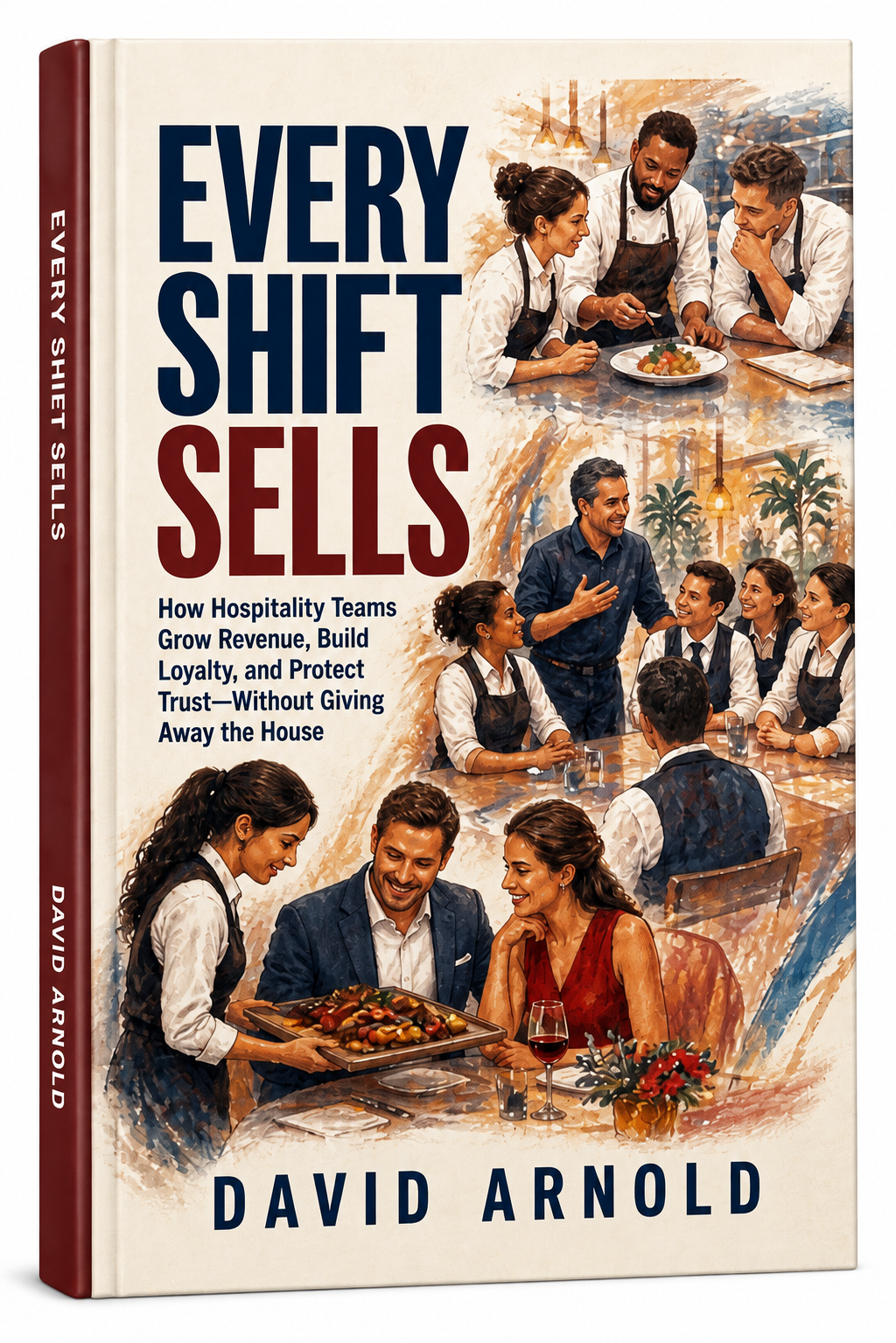
Every Shift Sells
Build sales through thoughtful service, guest engagement, and a stronger hospitality culture.
Explore this book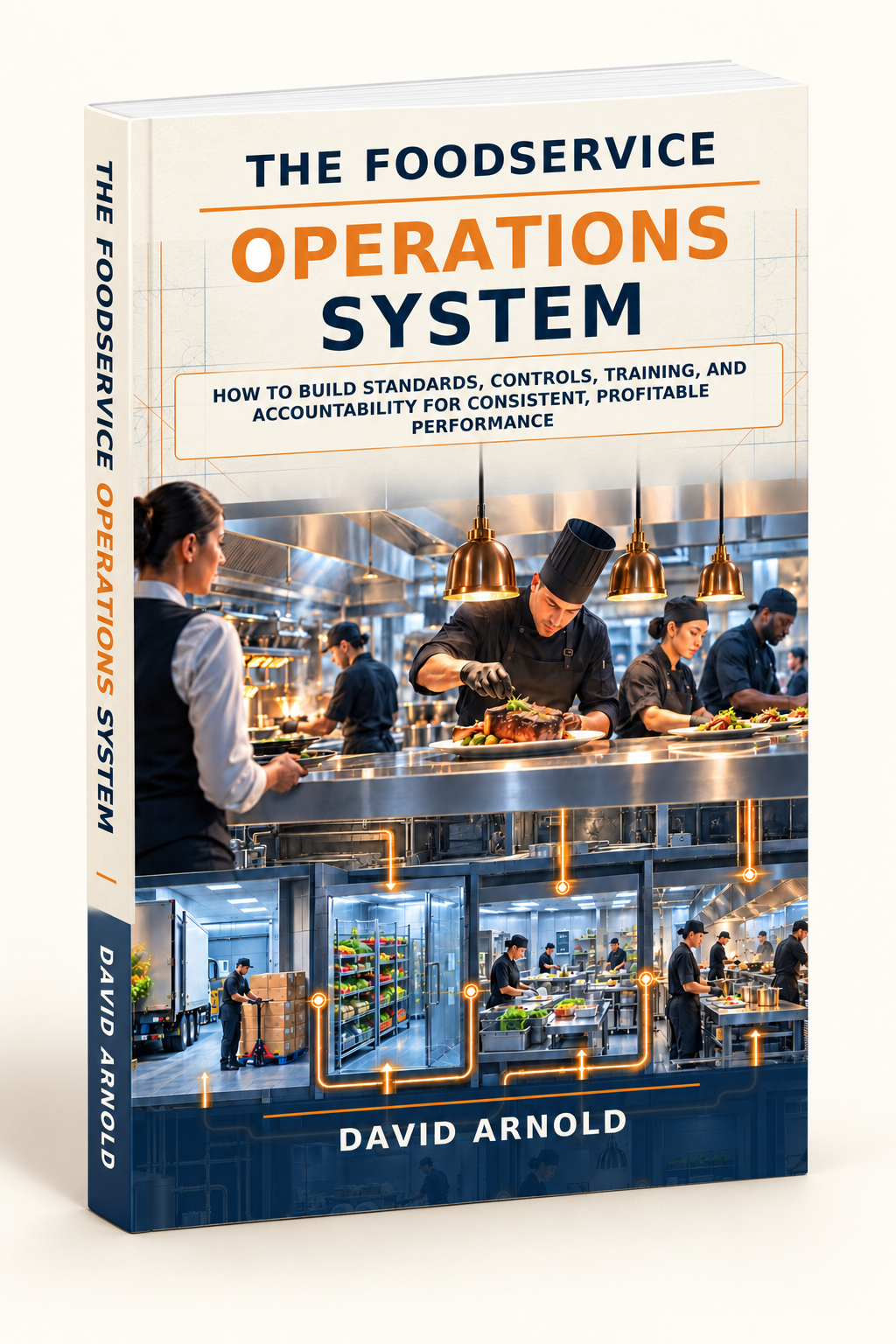
PROFESSIONAL RESTAURANT LIBRARY
The Foodservice Operations System
Build standards, controls, training, and accountability into one dependable operating system.
Explore this bookMore resources and reading: Food Cost Is Not How Much You Spent · Publications · Stop Counting Inventory And Start Using It
Practical support
Need help applying this in your operation?
Discuss the operating problem, the evidence you have and the practical support your management team needs with Chef David Arnold.