Arnold Hospitality Press · Chef David Arnold
Insights
STOP COUNTING INVENTORY AND START USING IT
Why Knowing What You Have Is Not the Same as Controlling Food Cost
The count should create a decision.
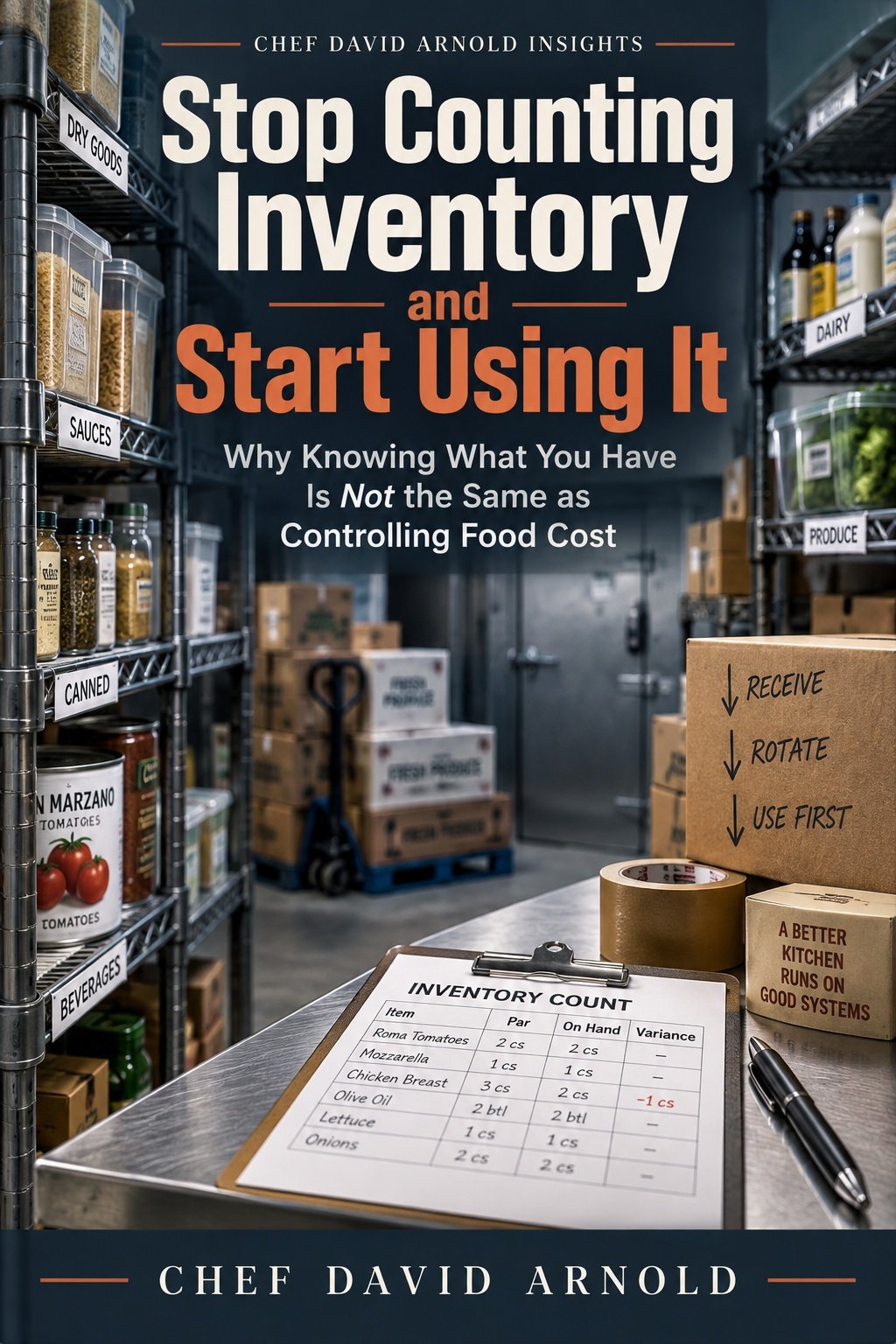

Inside the operation
The sheet is complete. What changes tomorrow?
Two people count the walk-in. The spreadsheet is finished, the percentage is calculated and the restaurant goes back to doing exactly what it did before.
Stop Counting Inventory and Start Using It turns the count into a management question: what should you order, produce, transfer, feature, use first or stop buying?
The book connects physical stock with cash, product condition and operating choices. Knowing what is on the shelf matters because of what management does next.
Written for working restaurant owners, chefs and managers who need practical decisions they can put to work during an actual shift.
The book’s practical approach
The count should create a decision.
See What Is There
Count honestly and observe condition, rotation and slow-moving stock.
Choose the Next Action
Use the evidence to guide purchasing, production, transfers and the order in which products are used.
Follow Through
Investigate unexpected movement and verify that the decision changes the next count.
Put the book to work
Bring the guidance into your operation.
Explore the existing companion resources and use the book’s operating guidance alongside the facts from your own restaurant.
Read an excerpt · Author’s Note: I Hate Counting Stuff
A Little Taste of the Book
From Stop Counting Inventory and Start Using It
I hate to count stuff almost as much as I hate to wash dishes. There. I said it. I have never understood the operator who gets excited about inventory night, and I have certainly never met a chef who looked at a stack of count sheets and said, 'This is why I got into the business.' Counting is tedious. It interrupts the part of the job that feels productive. It makes you crawl around storerooms, open boxes, move cases, read labels, estimate partial containers, and discover things you wish you had not found.
And even though I hate it, I do it. Because there is no other honest way to know what is really in your walk-in, freezer, dry store, beverage cage, or prep refrigerator. Memory is useful. Experience is useful. Knowing your business is useful. None of those things is inventory.
I learned that lesson very early. I was nineteen and had about five years in foodservice when I went through the interview process with PepsiCo. The company I had grown up with culinarily was, in my view, headed toward a slow and painful end. I had gotten close to several upper-management people at Pizza Hut, which at the time was on a moon-shot growth trajectory, and they wanted me to consider a district-manager path. I was hesitant, but I entered the process. It was eye-opening.
The organization I came from was small potatoes compared with these guys. But when it came to some management-control disciplines, I was surprised to discover that we were light-years ahead. During a tour of one operating unit, I asked the manager about ordering difficulties. I had already heard from plenty of managers that there were problems, and with senior people standing there I wanted to hear what the actual operating issue was.
Continue reading in Stop Counting Inventory and Start Using It
Available editions
Choose your edition
Continue reading the published Kindle edition. Amazon provides current pricing and availability for your location.
About the author
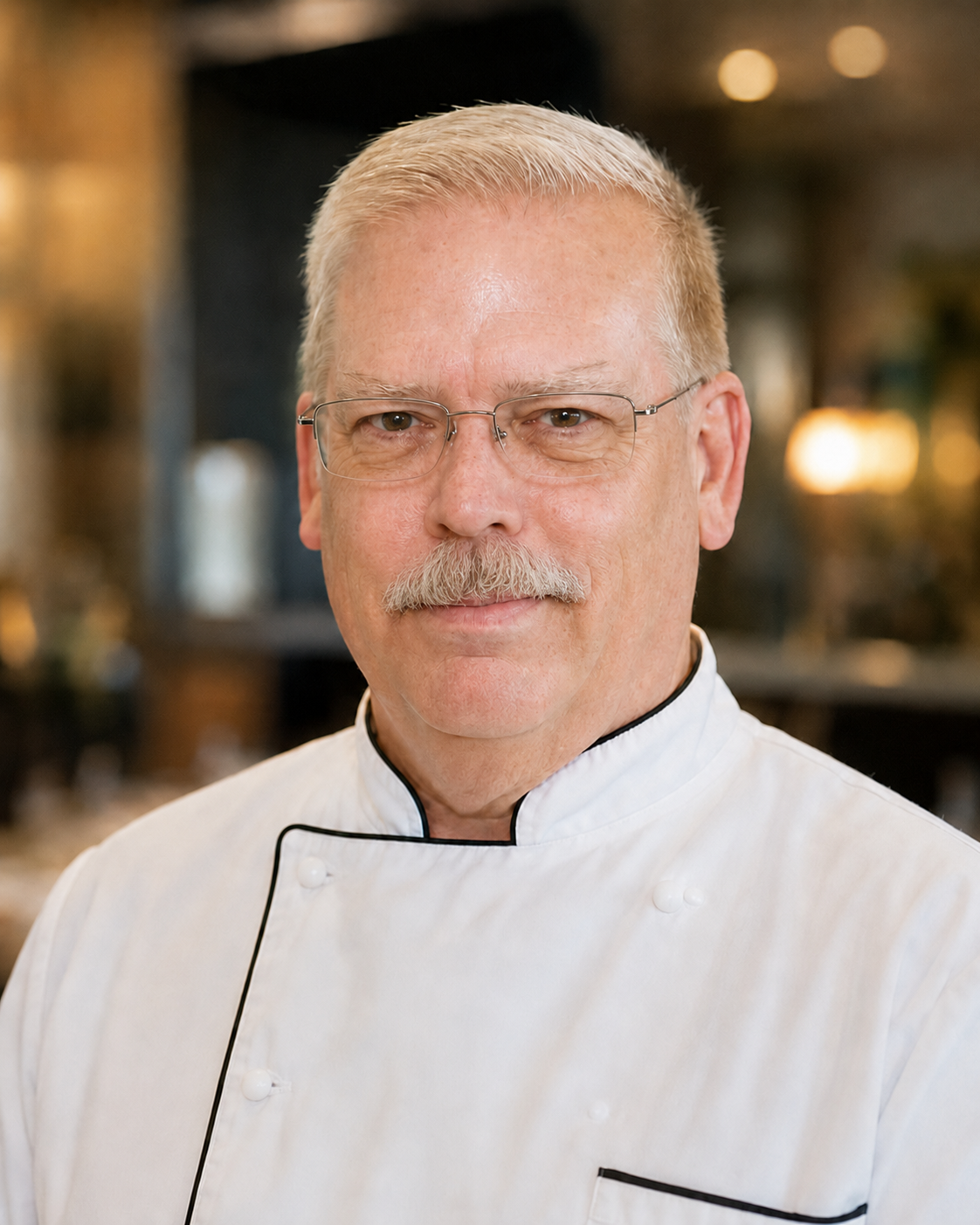
Chef David Arnold
Executive chef, international foodservice operations consultant, author, instructor, and mentor, Chef David Arnold brings more than forty years of hospitality experience to practical management work. His published professional background spans restaurants, hotels, institutional catering, central kitchens, and food manufacturing.
Chef David treats inventory as an operating tool: a reason to inspect product and make better decisions about the cash sitting on the shelves.
Continue the work
Related reading
INSIGHTS
Food Cost Is Not How Much You Spent
Understand the difference between purchases and actual food cost, and investigate what your operation really consumed.
Explore this book
RESTAURANT OPERATIONS SERIES
The Restaurant Food Cost Rescue Plan
Find the leaks in purchasing, inventory, portions, and waste.
Explore this bookMore resources and reading: Free Tools · #Insight Books · The Bag Is Part Of The Meal
Practical support
Need help applying this in your operation?
Discuss the operating problem, the evidence you have and the practical support your management team needs with Chef David Arnold.