Arnold Hospitality Press · Chef David Arnold
Guest Excellence begins with another visit
WHY THEY DON’T COME BACK
Why Guests Leave Quietly—and How to Earn Their Return
You worked so hard to get them through the door. What did you do to make sure they’ll return?


The quiet departure
The most expensive goodbye may be the one you never hear.
Hospitality businesses spend extraordinary amounts of time, money, and management attention attracting new customers. We advertise, promote, discount, entertain, and occasionally perform financial gymnastics to convince someone to give us a try.
Then, sometimes, we spend the rest of the experience giving that person reasons not to return.
Most guests won’t tell us exactly what went wrong. They won’t demand a meeting with the manager or write a detailed letter explaining why they’ve decided to take their business somewhere else. They’ll pay the bill, walk out the door, and quietly disappear.
This book examines the guests we drove away, the opportunities we missed, and the management decisions that determine whether people want to come back.
What are we missing?
Not every disappointment makes a scene.
01
The guest who never complained
A quiet table is not proof of a satisfied guest. Observe the experience instead of waiting for someone to object.
02
The small things that add up
A missed greeting, an unclear wait, an overlooked request: each may seem minor in isolation. The guest experiences the whole evening.
03
The unnecessary no
A reasonable request deserves judgment. Check what is possible within food safety, capacity, and operating safeguards before reaching for a rule.
04
The guest who felt unimportant
Efficient service can still feel indifferent. Notice whether people receive attention, acknowledgment, and a sense that their visit matters.
05
The final impression
Payment and departure are part of hospitality. A neglected goodbye can leave even a good meal without a reason to return.

Inside the book
More than a reminder to be friendlier.
Earn the next visit
Understand the difference between attracting a customer and earning that person’s return.
See what guests tolerate
Recognize problems that people endure without asking for a manager.
Look behind the service
Examine kitchen decisions, employee rules, communication, and leadership that shape the experience.
Recover with judgment
Consider reasonable service recovery without making unnecessary giveaways the default response.
Make Guest Excellence management’s work
Assign responsibility, examine the business consequences of missed return visits, and avoid invented financial certainty.
Put a system into practice
Use an implementable Return Visit System to connect observation with correction and verification.
The Return Visit System
Don’t Announce Another Guest Excellence Program. Operate One.
Observe → Prioritize → Correct → Coach → Verify → Sustain
01
Observe
Record what happened, including what went well. Keep observable facts separate from assumptions.
02
Prioritize
Decide what needs attention, what needs more evidence, and what requires immediate action.
03
Correct
Identify a supported cause, a specific correction, an accountable owner, and a due date.
04
Coach
Explain and demonstrate the change where the work actually happens.
05
Verify
Observe again. Examine evidence of effectiveness, not simply a checked completion box.
06
Sustain
Build successful changes into briefings, training, SOPs, and normal management walks.

A practical first thirty days
| Period | Management priority |
|---|---|
| Days 1–7 | Find the friction |
| Days 8–14 | Correct the causes |
| Days 15–21 | Coach during real service |
| Days 22–30 | Verify improvement and make it routine |
This is an implementation framework, not a promise of improved revenue or retention in thirty days. Critical concerns require immediate attention.
A free working companion
Start with one observation.
Follow it through.
The Return Visit Record helps a manager document what happened, assign a correction, and decide what evidence will demonstrate improvement.
Use it without buying the book or opening an account. The book provides the deeper reasoning, examples, and management approach behind the record.
Open the Free Return Visit RecordRead an excerpt · Chapter 1
A Little Taste of the Book
From “The Customers We Work So Hard to Attract”
There is another misconception about hospitality that I would like to address before it becomes an excuse for avoiding the hard work. Many people believe that making guests feel special means giving them something for nothing. If we offer a complimentary drink, provide a discounted room, distribute loyalty points, or send a free dessert to the table, we’ve apparently demonstrated how much we appreciate their business. I enjoy complimentary benefits myself, and there are times when those gestures are entirely appropriate. But I believe we need to distinguish between giving someone something of value and making that person feel valued.
Chef Paul’s is a good example from my own experience. When I visit, I may receive complimentary introductory drinks or occasionally benefit from some special consideration. I enjoy those gestures, and I have absolutely no objection to being treated particularly well by an establishment where I regularly spend my money. But I also spend a substantial amount there, return many times throughout the year, and do so very happily. The complimentary drinks are pleasant, but they are not the fundamental reason I continue choosing the restaurant. They are part of a relationship and an experience I already consider worth paying for.
That distinction is important because the most effective gestures of recognition often reinforce something the guest already values. A complimentary drink may demonstrate appreciation for a continuing relationship, but it cannot by itself create that relationship when the rest of the experience is disappointing. An upgrade at a hotel may be particularly welcome, but it does not automatically make up for a poorly maintained room or employees who make the guest feel like an inconvenience. The same applies to airport lounges, resorts, and virtually every other hospitality environment where benefits are used to distinguish levels of service. Guests may appreciate something free while still deciding that the overall experience is not worth repeating.
That’s a little of what we’ll be talking about in Why They Don’t Come Back.
Buy the Kindle Edition
About the author
Chef David Arnold
David Arnold is a culinary operations consultant, corporate executive chef, instructor, mentor, restaurateur, and author with more than twenty-five years of leadership experience in the hospitality industry and more than fourteen years in international consulting.
Guest Excellence is a personal subject: leadership shows in the attention people receive and in whether they feel appreciated. This book brings that concern into everyday management responsibility.
From Arnold Hospitality Press
Read Why They Don’t Come Back
The Kindle and paperback editions are available on Amazon.
Publication updates and hospitality insights
You’ll also have the opportunity to receive practical hospitality-management insights and resources, according to the subscription choices presented.
Publication-update signup
Continue the work
Related reading
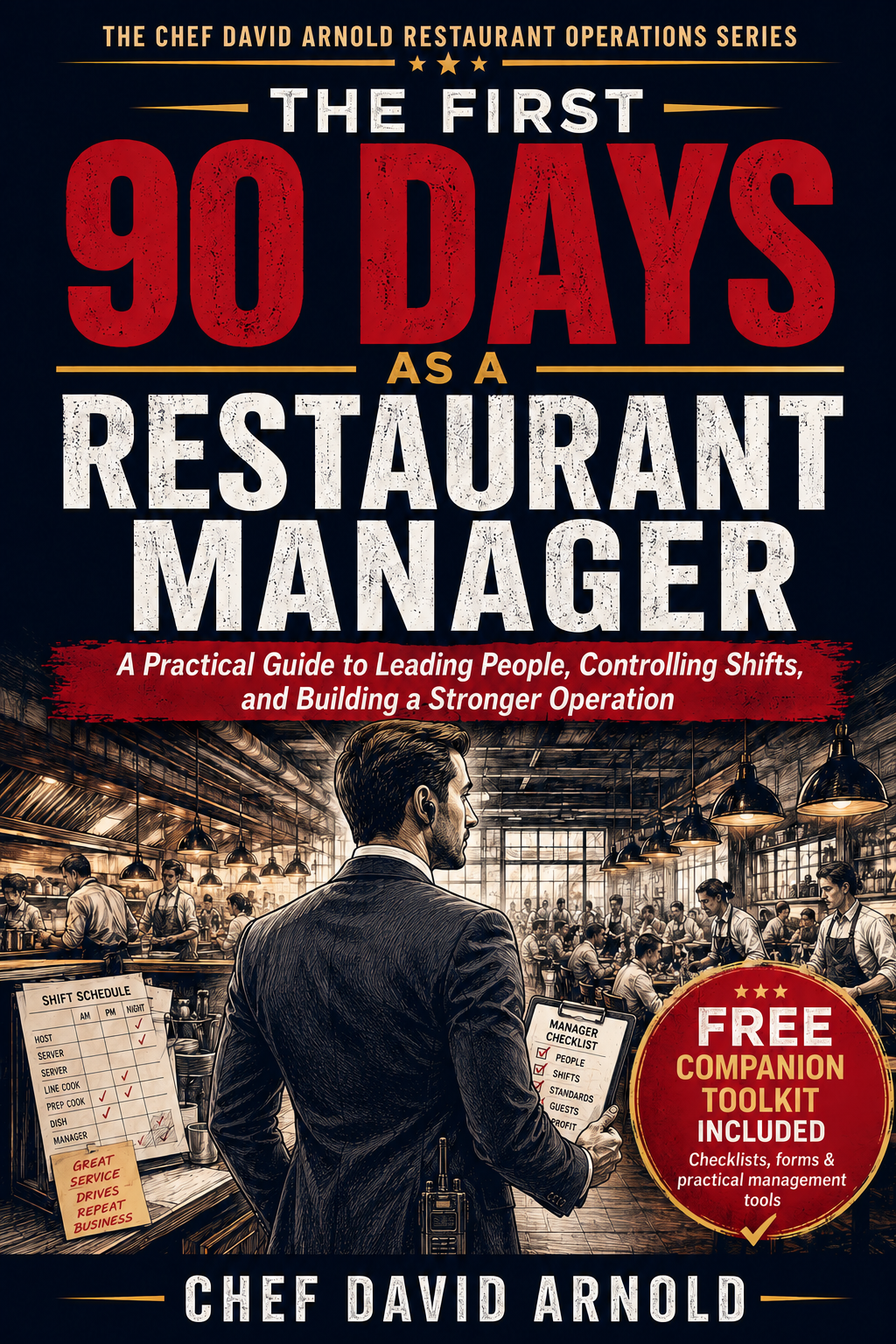
Restaurant Operations Series
The First 90 Days as a Restaurant Manager
A Practical Guide to Leading People, Controlling Shifts, and Building a Stronger Operation
A practical start to leading people, controlling shifts, and building routines.
Kindle, Paperback
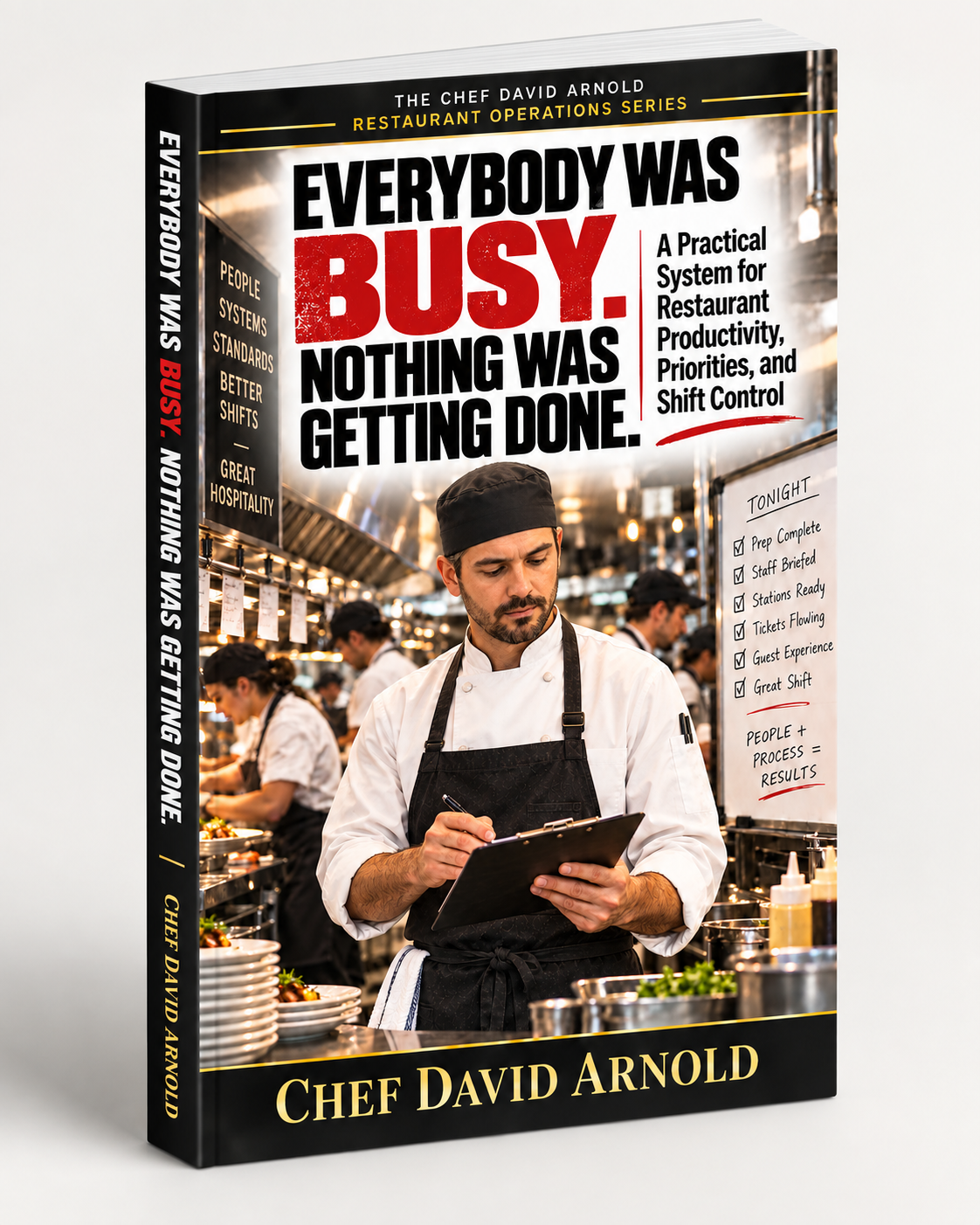
Restaurant Operations Series
Everybody Was Busy. Nothing Was Getting Done.
A Practical System for Restaurant Productivity, Priorities and Shift Control
Turn activity into results with clearer priorities, ownership, and shift control.
Kindle and paperback
Every guest has a reason for choosing your establishment the first time. Our responsibility is to give them a reason to choose us again.
Let’s make sure we’re doing our part.