Arnold Hospitality Press · Chef David Arnold
Restaurant Operations Series
EVERYBODY WAS BUSY. NOTHING WAS GETTING DONE.
A Practical System for Restaurant Productivity, Priorities and Shift Control
Hard work needs a direction.
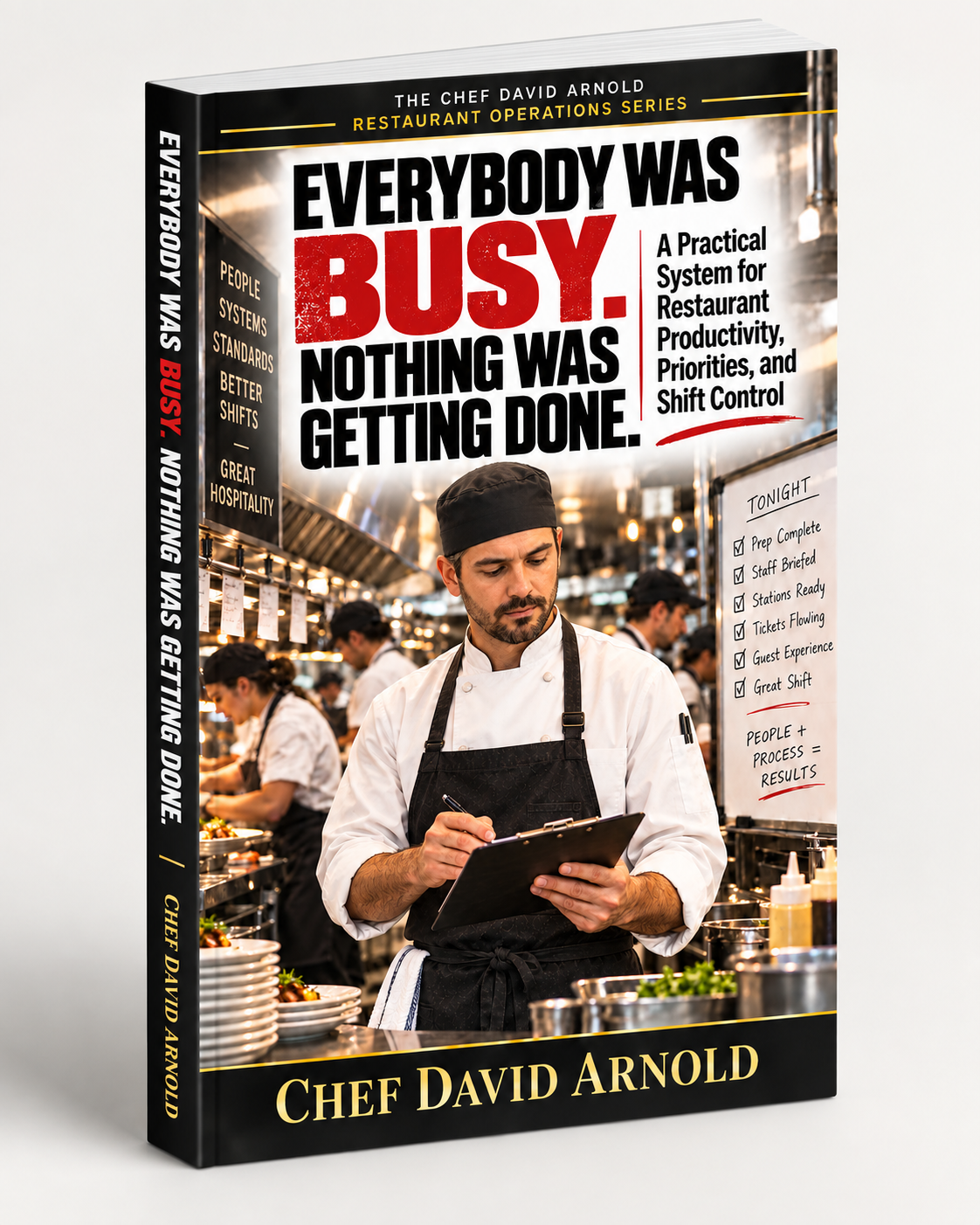

Inside the operation
By eight o’clock, everybody is heroic. Why were heroics necessary?
The pass needs a runner. A sauce backup was never made. Servers are moving food instead of checking tables, while the dish area falls behind. Everyone is working hard, but the shift keeps creating more work.
This book looks beneath the motion. It follows the missing preparation, unclear priorities, interruptions and weak handoffs that turn a normal rush into preventable chaos.
The practical question is not whether everyone looks busy. It is whether the important work reaches a usable finish at the right time.
Written for working restaurant owners, chefs and managers who need practical decisions they can put to work during an actual shift.
The book’s practical approach
Hard work needs a direction.
Readiness
Enter service with the preparation, backups and station setup that could already have been completed.
Flow
Find where product, information, dishes and decisions stop moving through the operation.
Completion
Assign ownership, protect critical work and verify that tasks are actually finished.
Recovery
Rebuild after a rush and leave the next shift ready instead of passing the same problems forward.
Put the book to work
Bring the guidance into your operation.
Explore the existing companion resources and use the book’s operating guidance alongside the facts from your own restaurant.
Read an excerpt · Introduction: Motion Is Not Progress
A Little Taste of the Book
From Everybody Was Busy. Nothing Was Getting Done.
A busy restaurant can fool you.
The dining room fills. The printer starts talking. The kitchen answers with heat and noise. Servers move faster. Managers start walking with that very specific restaurant pace that says they are too polite to run but have absolutely considered it. Someone calls for more ice. Someone needs a manager. Someone else needs a steak recooked. The phone rings. A delivery arrives at exactly the wrong moment. A dishwasher calls out. A guest asks whether the soup is gluten-free after it has already been served.
By the end of the night, everyone is tired.
It is tempting to call that a productive shift.
Maybe it was.
But fatigue is a poor performance measure.
A restaurant does not succeed because people worked hard. It succeeds because the right work was completed at the right time, to the right standard, by people who understood what mattered most. Hard work supports that result. It does not replace it.
The distinction matters because restaurants reward visible activity. A cook who is flying around the kitchen looks committed. A manager carrying three things while answering two questions looks involved. A server making repeated trips to the kitchen looks busy. A prep cook staying two hours late looks dedicated. Sometimes all of that is true.
Sometimes the cook is flying around because mise en place was never organized. The manager is carrying three things because nobody else was trusted or trained to carry them. The server is making repeated trips because side work was not stocked before service. The prep cook is staying late because the prep list was badly sequenced and nobody checked progress until the shift was almost over.
Same activity. Very different diagnosis.
This is why restaurant productivity cannot be managed by appearance.
You have to ask what the work is producing.
Continue reading in Everybody Was Busy. Nothing Was Getting Done.
Available editions
Choose your edition
Read the book on Kindle or keep the paperback close to the operation. Amazon provides current pricing and availability for your location.
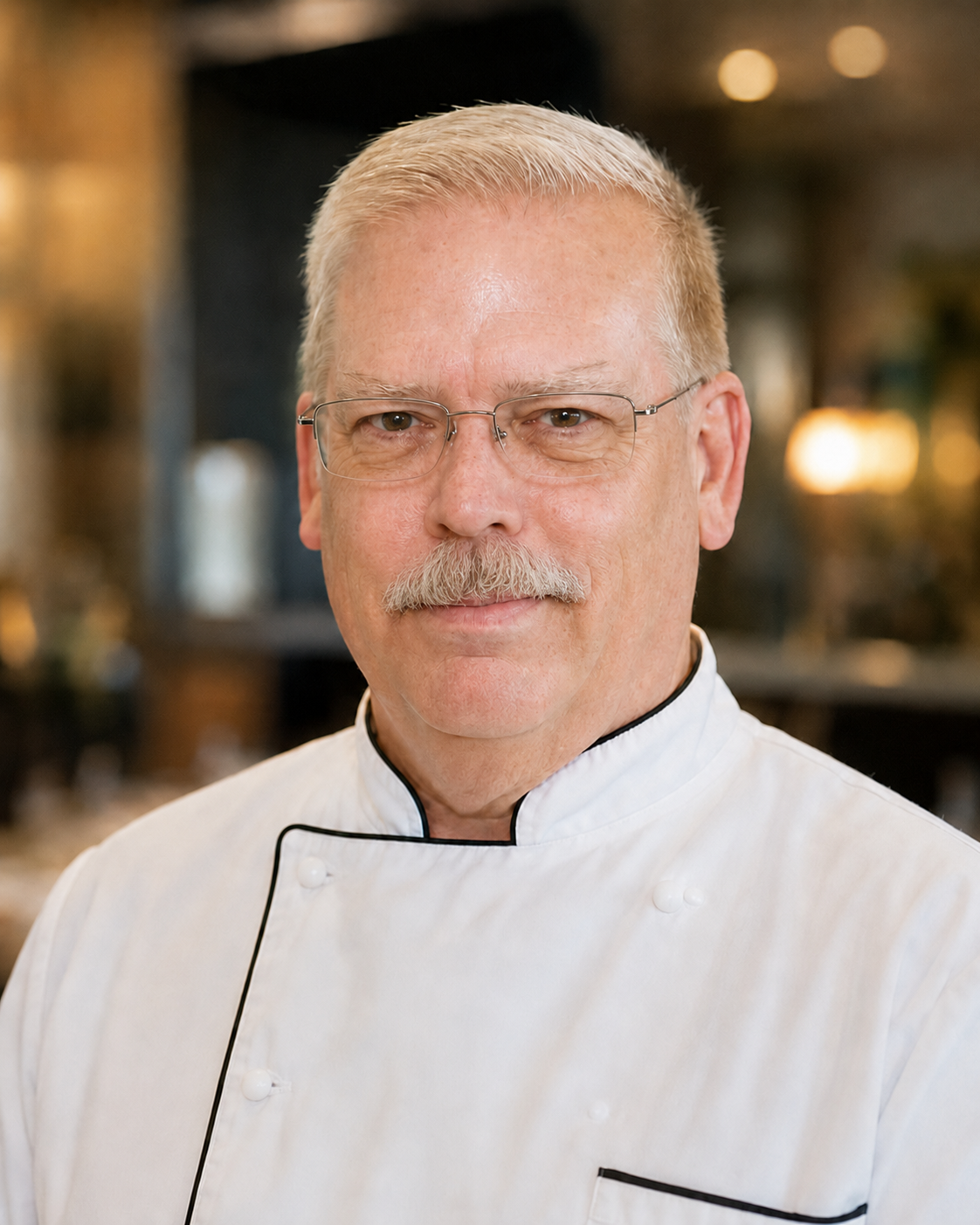
About the author
Chef David Arnold
Executive chef, international foodservice operations consultant, author, instructor, and mentor, Chef David Arnold brings more than forty years of hospitality experience to practical management work. His published professional background spans restaurants, hotels, institutional catering, central kitchens, and food manufacturing.
This book brings an operator’s eye to readiness, priorities, ownership and the difference between useful intensity and preventable chaos.
Continue the work
Related reading
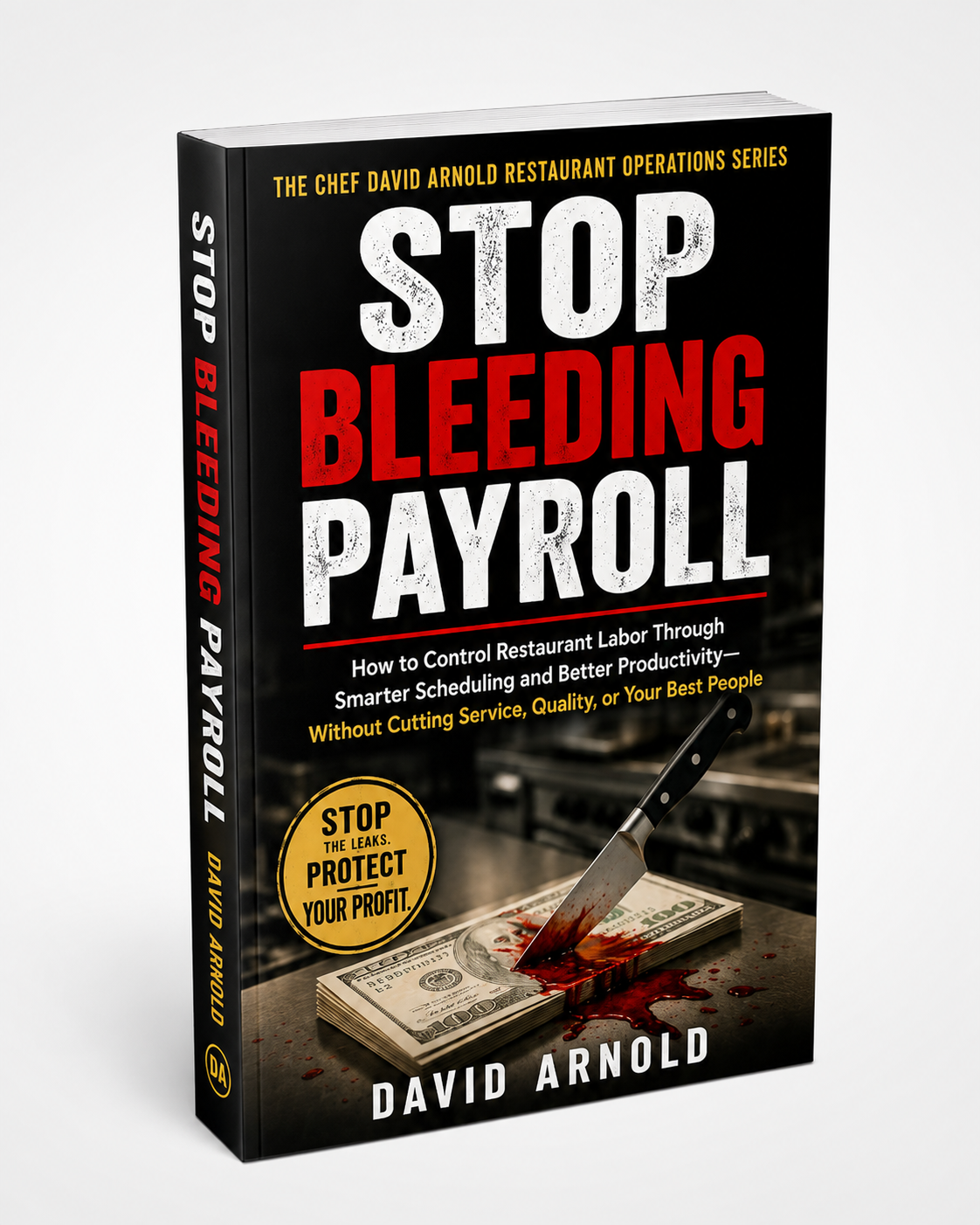
RESTAURANT OPERATIONS SERIES
Stop Bleeding Payroll
Control labor through smarter scheduling and better productivity.
Explore this book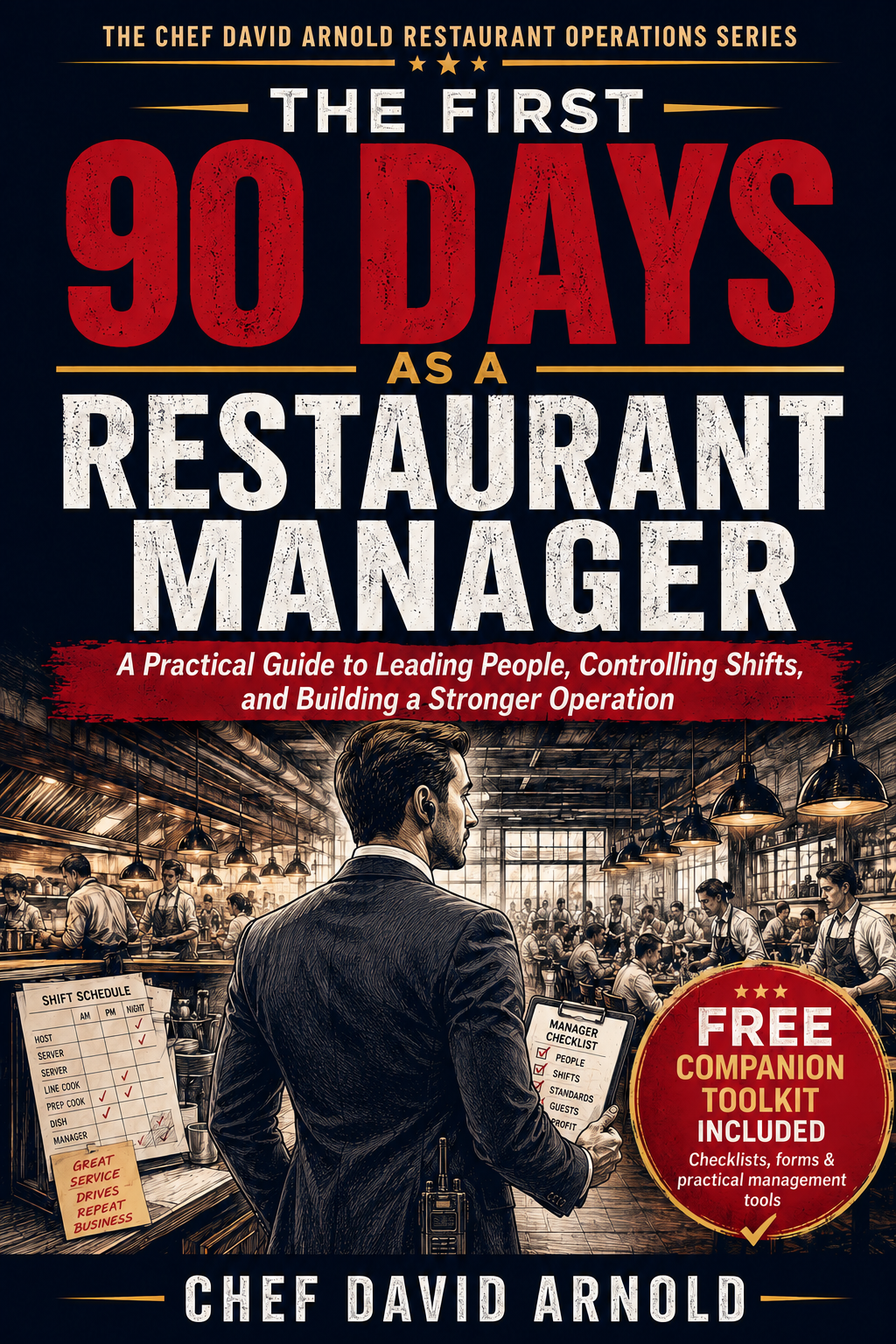
RESTAURANT OPERATIONS SERIES
The First 90 Days as a Restaurant Manager
A practical start to leading people, controlling shifts, and building routines.
Explore this bookMore resources and reading: Publications · The Foodservice Operations System · The Restaurant Food Cost Rescue Plan
Practical support
Need help applying this in your operation?
Discuss the operating problem, the evidence you have and the practical support your management team needs with Chef David Arnold.