Arnold Hospitality Press · Chef David Arnold
Insights
I’M SO HAPPY TO SEE YOU
How a Perfect Welcome Became a Hospitality Disaster
Hospitality has to survive the next handoff.
Inside the operation
The welcome was wonderful. The guest still left hungry.
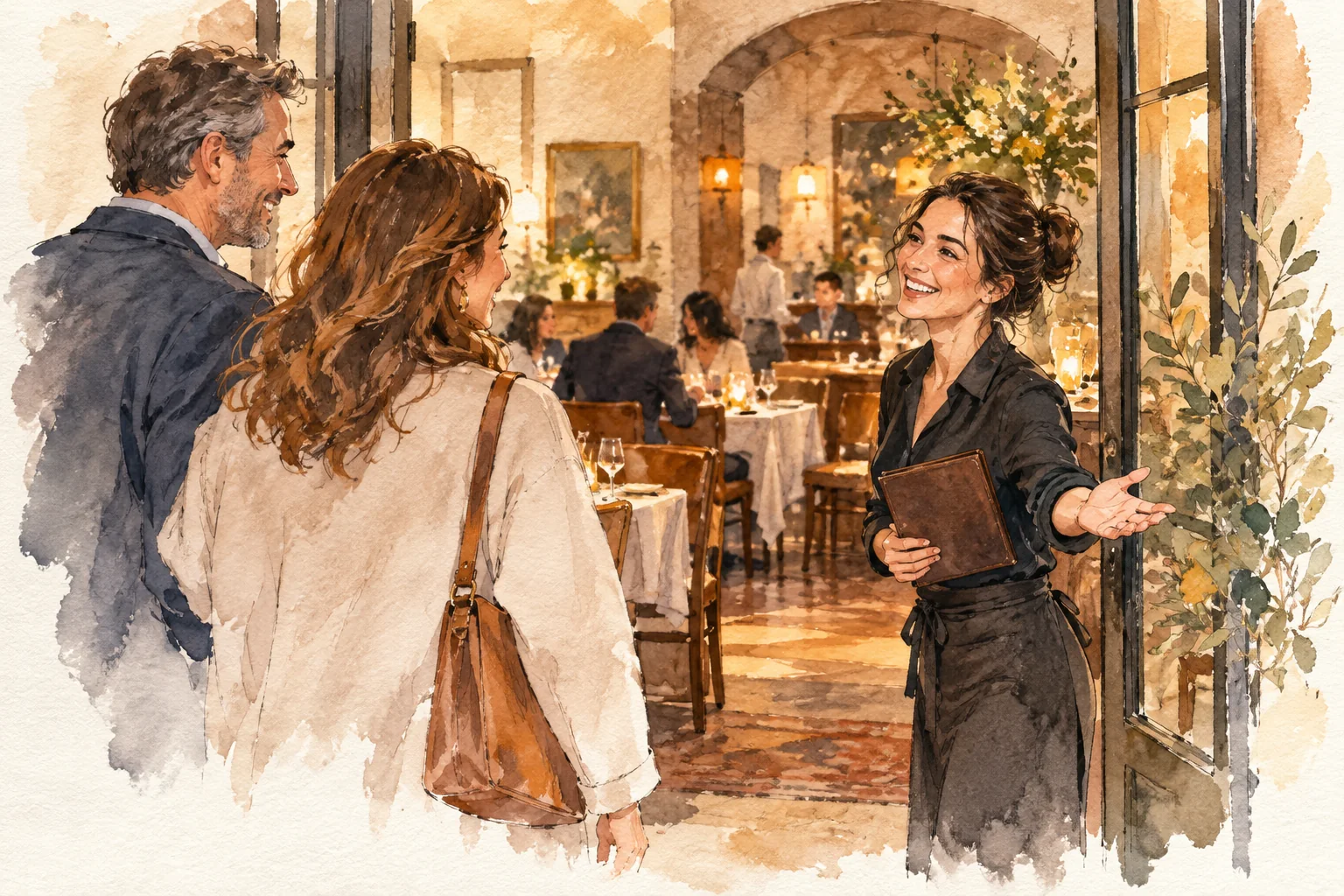
An excellent hostess makes the guest feel immediately welcome. What happens after that greeting can either protect the promise or undo it, one handoff at a time.
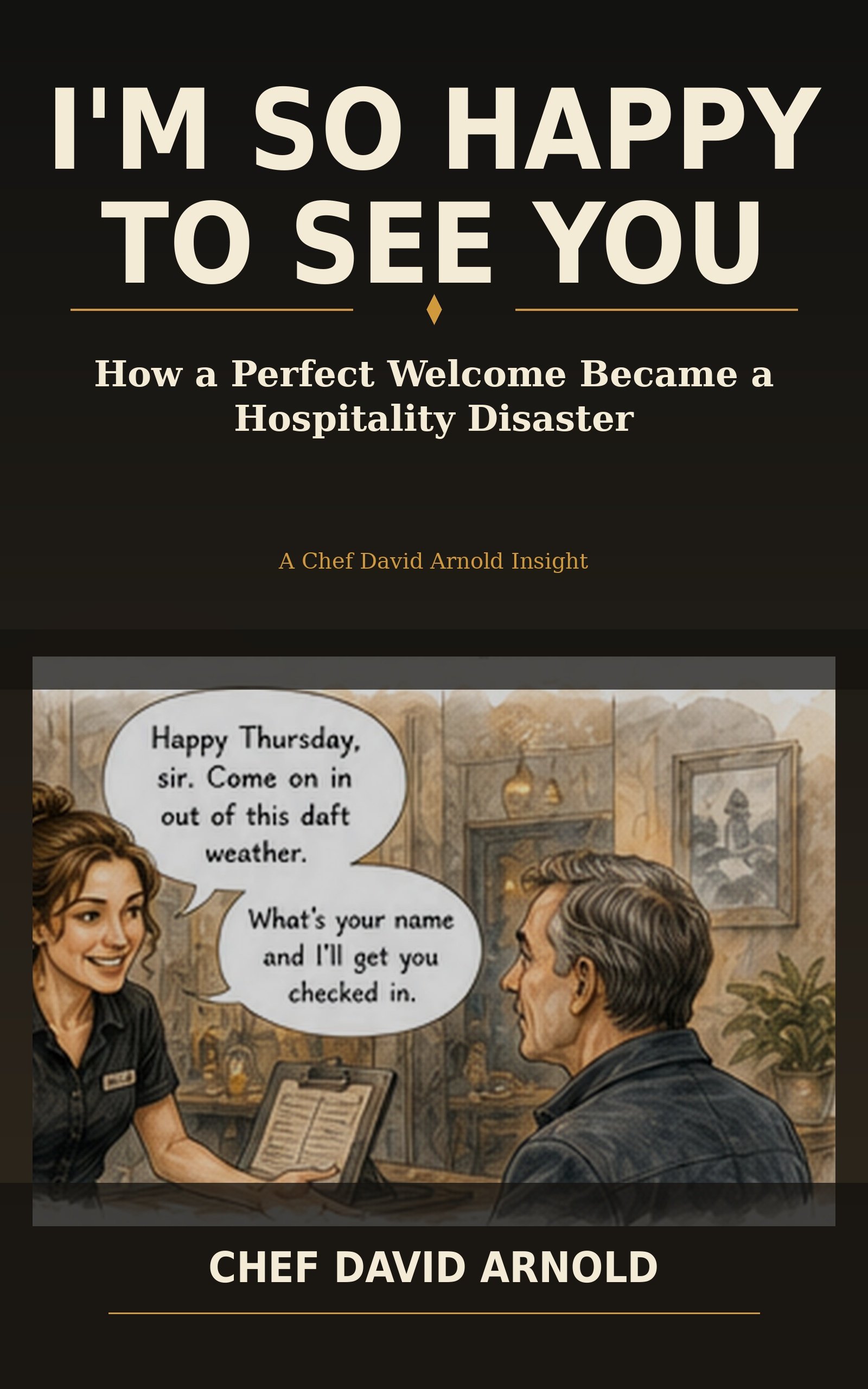
I’m So Happy to See You follows a memorable restaurant experience that began with exceptional recognition and ended with Chef David carrying fast food back to his hotel.
The story invites managers to examine the complete guest journey, from the door through communication, service and the response when the experience breaks down.
Written for working restaurant owners, chefs and managers who need practical decisions they can put to work during an actual shift.
The book’s practical approach
Hospitality has to survive the next handoff.
Recognize the Guest
Make the welcome attentive and useful without turning the conversation into an interrogation.
Protect the Handoffs
Carry the guest’s needs and the promise of the greeting into the rest of service.
Inspect the Whole Experience
Look beyond the strongest employee to the way the team delivers and recovers together.
Put the book to work
Bring the guidance into your operation.
Explore the existing companion resources and use the book’s operating guidance alongside the facts from your own restaurant.
Read an excerpt · I’m So Happy to See You
A Little Taste of the Book
From I’m So Happy to See You
As you may have guessed by now, I travel a lot. It has been an integral part of my work for most of my career, and fortunately I genuinely enjoy it. I like discovering different countries, different cultures, different food, and especially the different ways people practice hospitality. After spending a lifetime in this business, I find myself paying attention to things most guests probably never consciously notice. I notice how the door is opened, how a reservation is handled, what questions are asked, how the menu is presented, and whether the people working in the restaurant make hospitality feel natural or rehearsed.
One thing I have always believed is that information is king—or queen—but how you collect that information matters. I want a restaurant to know whether I have been there before, what kind of evening I am looking for, and whether there is something it can do to make the experience better. What I do not enjoy is being grilled by a stranger before I have had time to sit down. There is a great difference between someone learning about you through a pleasant conversation and someone conducting what feels like an immigration interview beside the host stand.
Years ago, while working a large food show in Manchester, England, I saw both the very best and the very worst of hospitality in a single evening.
The show itself was exhausting. It ran for five days at roughly twelve hours a day, and anyone who has worked a trade show knows that the hours on the schedule do not really describe the experience. You stand most of the day, talk continuously, answer the same questions repeatedly, meet hundreds of people, and somehow remain pleasant while your feet are quietly filing a complaint with management. By the end of the first day, I was tired, hungry, and in no mood to search half of Manchester for dinner.
Continue reading in I’m So Happy to See You
Available editions
Choose your edition
Continue reading the published Kindle edition. Amazon provides current pricing and availability for your location.
About the author
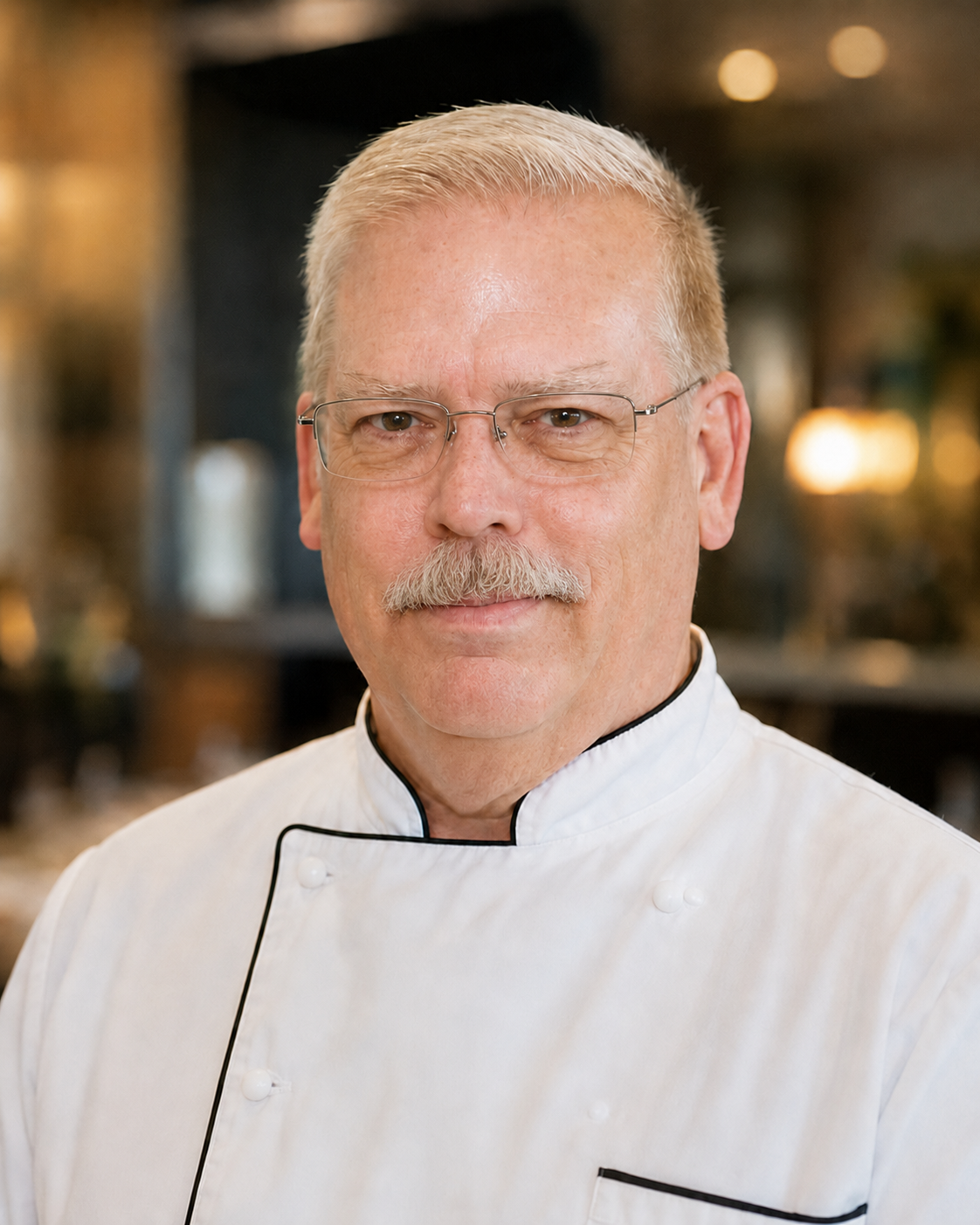
Chef David Arnold
Executive chef, international foodservice operations consultant, author, instructor, and mentor, Chef David Arnold brings more than forty years of hospitality experience to practical management work. His published professional background spans restaurants, hotels, institutional catering, central kitchens, and food manufacturing.
Chef David brings a traveler’s and operator’s attention to recognition, communication and the handoffs that make hospitality feel complete.
Continue the work
Related reading

PROFESSIONAL RESTAURANT LIBRARY
Every Shift Sells
Build sales through thoughtful service, guest engagement, and a stronger hospitality culture.
Explore this book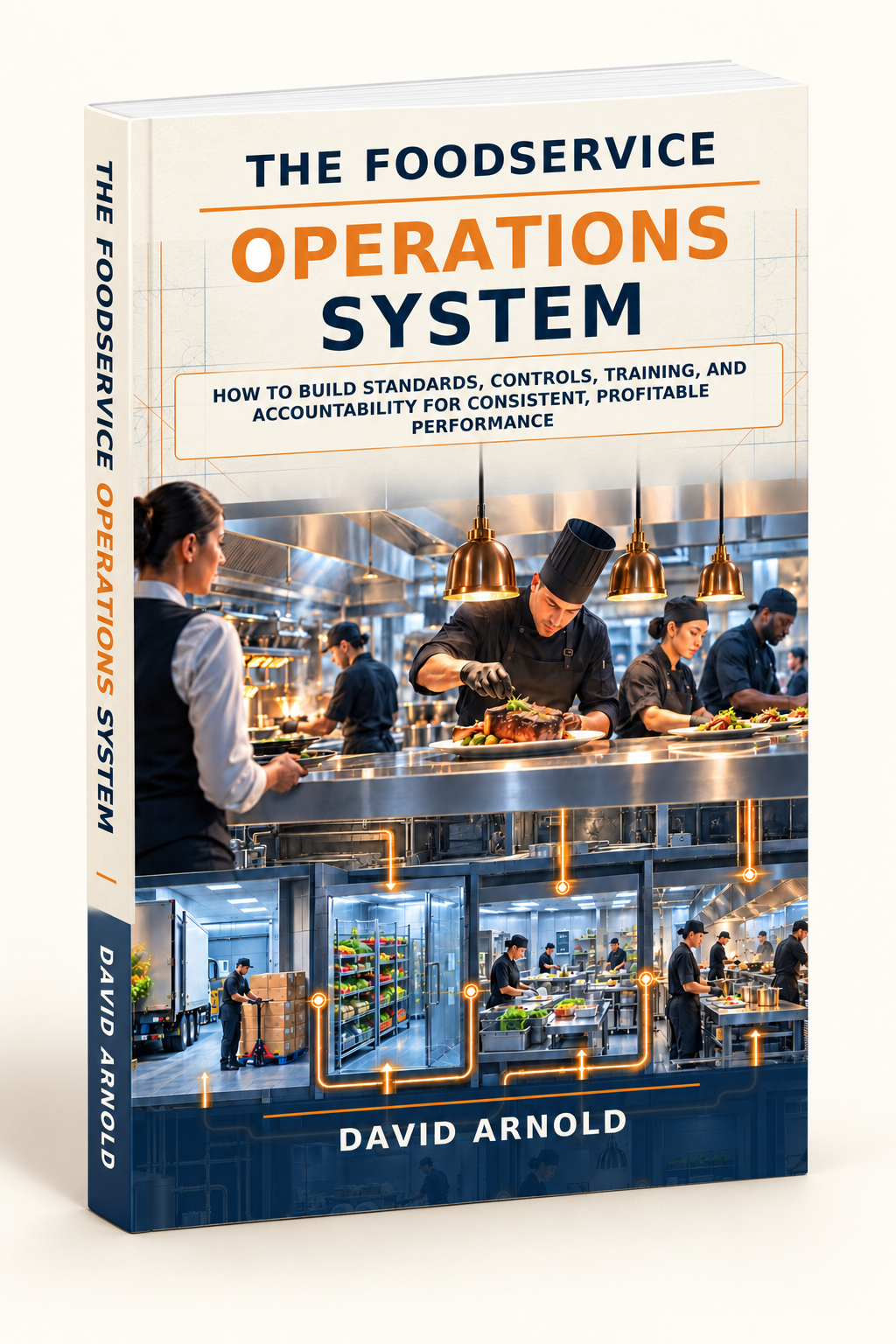
PROFESSIONAL RESTAURANT LIBRARY
The Foodservice Operations System
Build standards, controls, training, and accountability into one dependable operating system.
Explore this bookMore resources and reading: Food Cost Is Not How Much You Spent · Stop Counting Inventory And Start Using It
Practical support
Need help applying this in your operation?
Discuss the operating problem, the evidence you have and the practical support your management team needs with Chef David Arnold.