Control Labor Without Cutting Service, Quality, or Your Best People
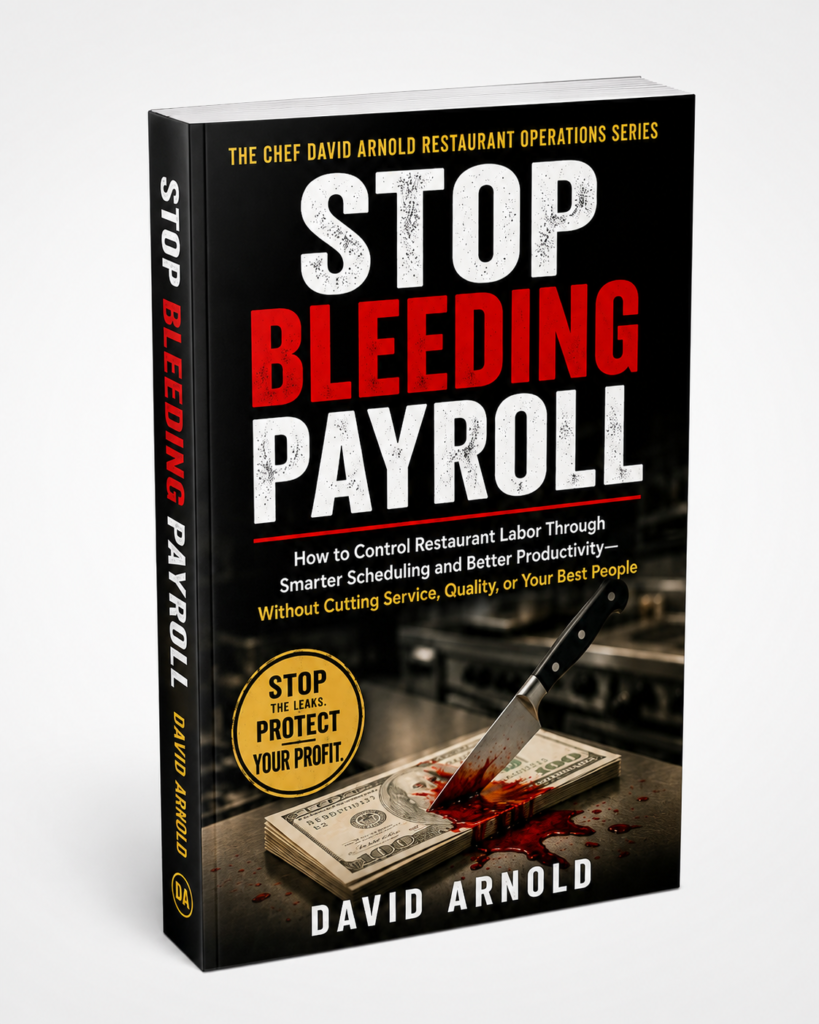
Restaurant labor problems rarely come from one bad schedule. They usually come from a combination of weak forecasting, poor deployment, overtime, low productivity, inconsistent staffing standards, and managers who react to labor after the damage is already done.
This book gives restaurant owners and managers a practical system for bringing labor cost under control without blindly cutting hours or damaging the guest experience.
This book is for you if:
- Labor cost is running higher than it should
- Schedules are built by habit instead of demand
- Overtime keeps appearing unexpectedly
- Too many people are working during slow periods
- Too few people are available when business gets busy
- Productivity varies widely from shift to shift
- Managers do not have clear labor targets
- You need to control payroll without hurting service or morale
Kindle $6.99 | Paperback $9.99
What You Will Learn
This book is built around the operating controls that have the greatest impact on restaurant labor cost. You’ll learn how to:
- Build schedules around realistic sales and workload
- Set practical labor targets for managers
- Match staffing levels to business demand
- Reduce avoidable overtime
- Improve productivity without simply cutting people
- Identify overstaffing and understaffing before service suffers
- Deploy employees more effectively during the shift
- Improve accountability for labor decisions
- Track labor performance daily and weekly
- Protect service, quality, and your strongest employees while controlling payroll
The Labor-Control System
Labor control is not a once-a-week scheduling exercise. It is a daily management discipline.
Forecast Before You Schedule
Start with realistic sales and workload expectations. Staffing decisions should be tied to demand, not habit, convenience, or last week’s schedule.
Schedule to the Work
Build schedules around when the work actually happens. Preparation, production, service, closing duties, deliveries, and administrative tasks all create different staffing needs.
Deploy the Team During the Shift
A good schedule can still produce poor labor results if employees are standing in the wrong place at the wrong time. Managers need to move people as business conditions change.
Control Overtime Before It Happens
Track hours throughout the week. Overtime should rarely be a surprise discovered after payroll closes.
Measure Productivity
Labor percentage alone does not tell the whole story. Managers also need practical productivity measures that show whether the team is producing the required work efficiently.
Hold Managers Accountable
Labor control works when managers know the target, understand the reason behind it, monitor results, and take corrective action before the week is over.
The goal is not simply to reduce payroll. The goal is to build a repeatable labor-management system that protects margins while maintaining service, quality, and employee performance.
Built for Real Restaurant Operations
This is not a human-resources textbook and it is not a book about cutting people.
It is written for restaurant owners, general managers, kitchen managers, chefs, supervisors, and operators who need practical ways to control one of the largest expenses in the business.
The systems are designed to be understandable, measurable, trainable, and sustainable during real restaurant operations.
Try the Free Restaurant Tools
Want to check your numbers before making staffing decisions?
Visit the Free Tools section on ChefDavidArnold.com for practical restaurant calculators and operating tools covering food cost, menu pricing, yields, recipe conversion, and other everyday management needs.
Also in this Series
The Restaurant Food Cost Rescue Plan
A practical 30-day system for finding food-cost leaks, tightening controls, reducing waste, and restoring profitability.
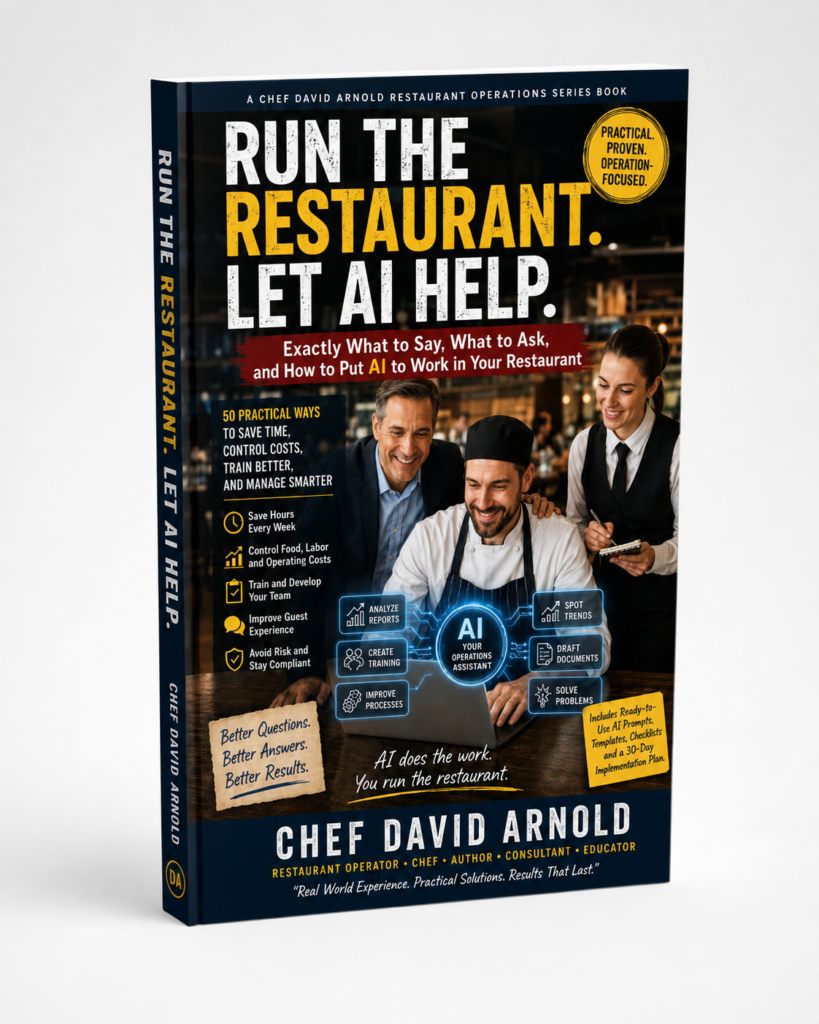
Run The Restaurant. Let AI Help
A practical guide to using AI for restaurant work, from cost analysis and scheduling to communication, training materials, procedures, and everyday operating decisions.
Need Help Applying This in Your Operation?
Labor problems are often symptoms of larger operational issues involving scheduling, productivity, management systems, training, accountability, or weak daily controls.
David Arnold Culinary Consultants works with restaurants and foodservice operations to identify cost leaks, strengthen operating controls, improve accountability, train teams, and build practical systems that produce measurable results.
If labor cost is only one part of a larger operational problem, professional advisory support may help you move faster.