Arnold Hospitality Press · Chef David Arnold
Insights
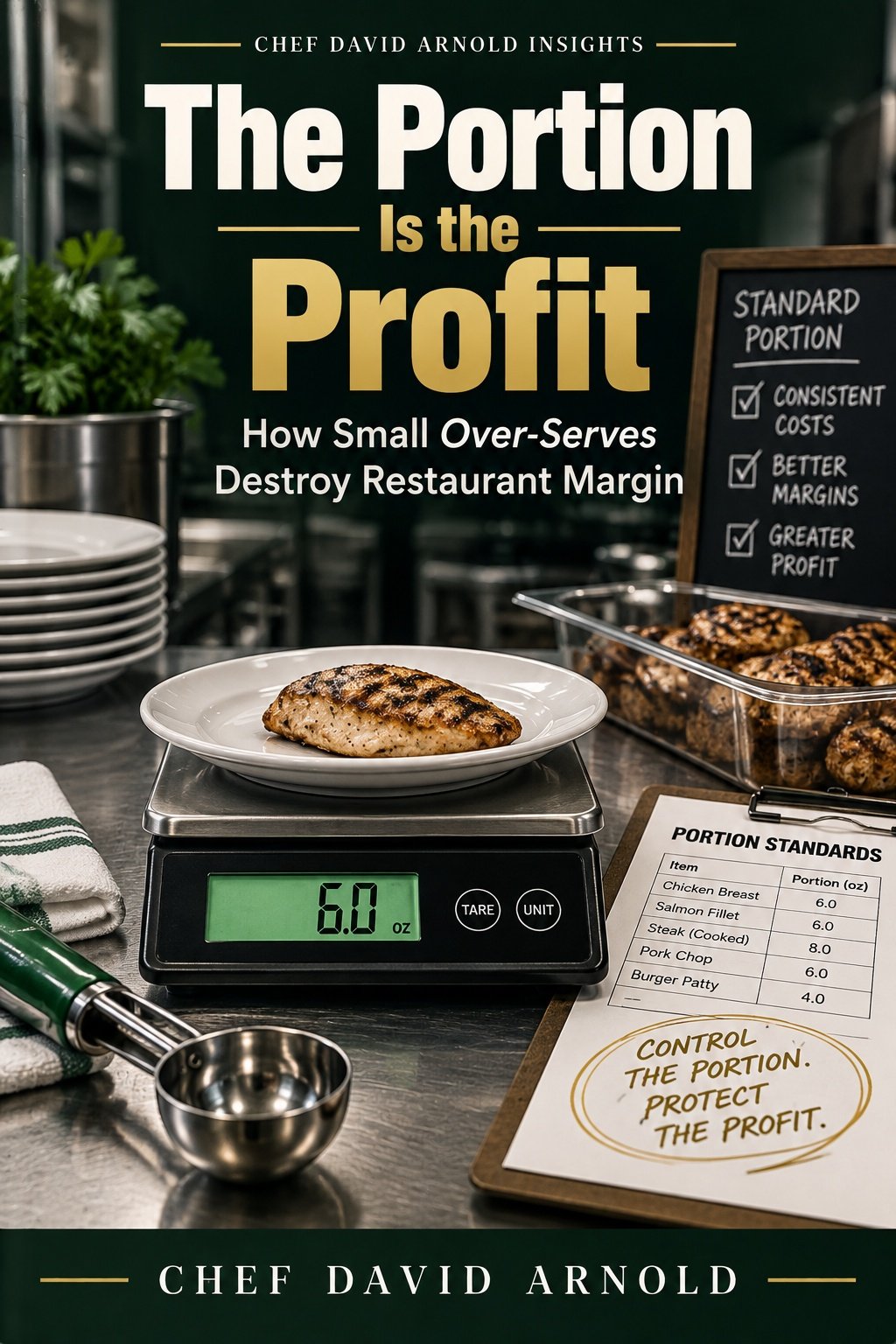
THE PORTION IS THE PROFIT
How Small Over-Serves Destroy Restaurant Margin
Make the quiet cost visible.
Inside the operation
Nothing spilled. The cost still left the kitchen.
A scoop is generous, the dressing cup is filled and another slice goes on the plate. Each decision looks harmless. Together they change what the recipe and selling price were built to deliver.
The Portion Is the Profit examines the cost that can escape without a dramatic waste event: extra weight in purchased products and inconsistent serving in the kitchen.
Chef David Arnold brings scales, specifications, equipment and daily observation into the conversation about restaurant margin.
Written for working restaurant owners, chefs and managers who need practical decisions they can put to work during an actual shift.
The book’s practical approach
Make the quiet cost visible.
Check the Specification
Verify purchased weight and actual yield rather than relying on the label alone.
Control the Serving
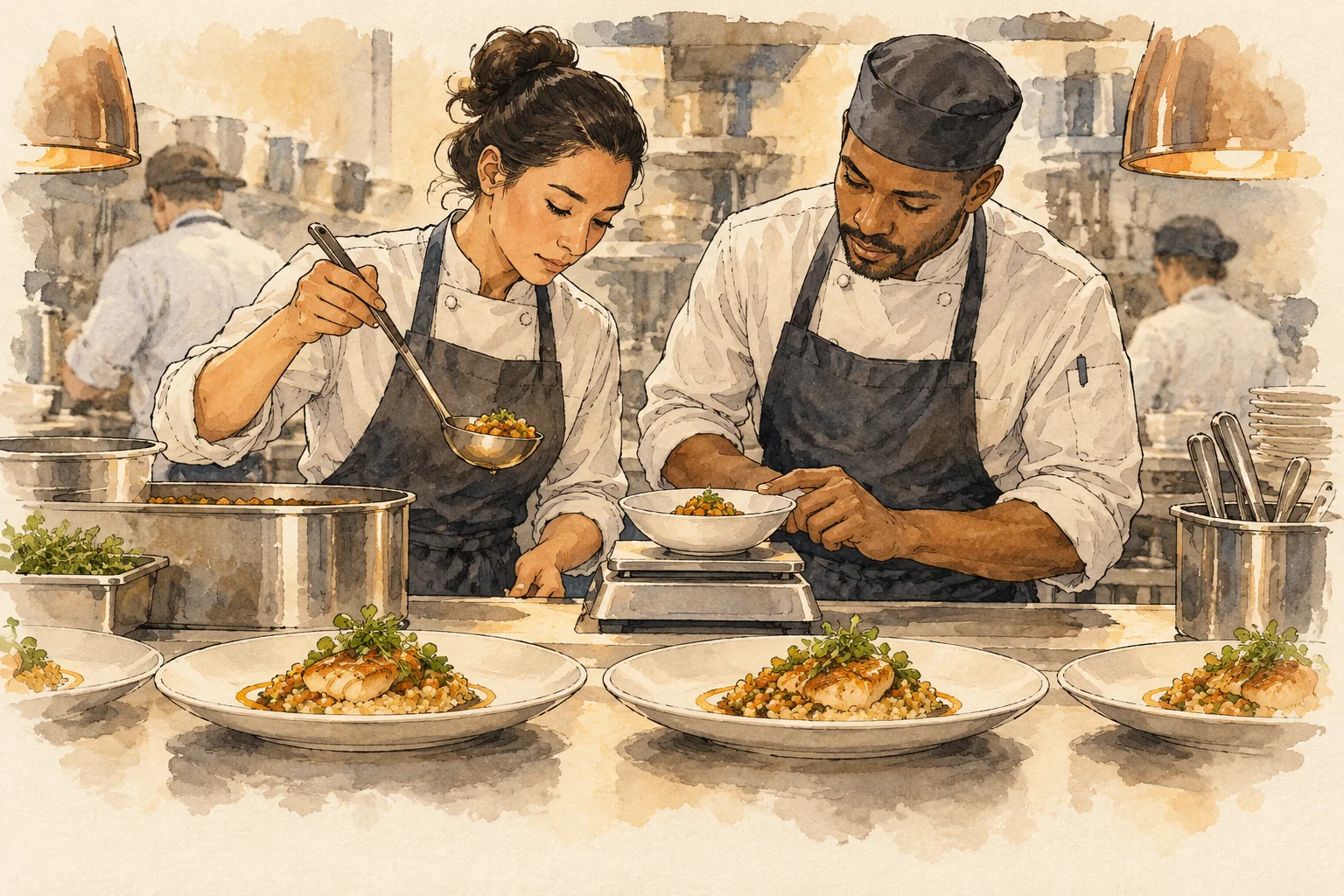
Match scales, ladles, scoops and containers to the recipe’s intended portion.
Verify During Production
Observe real plates and compare the number of portions produced with the costing assumption.
Put the book to work
Bring the guidance into your operation.
Explore the existing companion resources and use the book’s operating guidance alongside the facts from your own restaurant.
Read an excerpt · Author’s Note: Thumb on the Scale
A Little Taste of the Book
From The Portion Is the Profit
As consumers, we are naturally suspicious of a scale when money is attached to the weight. Stand at a butcher counter long enough and you will eventually see someone watching the display as if the butcher is preparing to rob the national treasury. I have worked counters where hawk-eyed little old ladies watched every movement because they believed in the old story about the butcher slipping a thumb onto the scale to add a little weight.
For the record, I have never actually seen a butcher do it. Not once. The interesting part is that restaurants can lose the same kind of money without anyone putting a thumb anywhere near a scale. The extra weight can be built into the product before the case ever reaches the kitchen, or it can be added by our own employees one scoop, one ladle, one slice, and one generous handful at a time.
I saw the first version clearly in meat manufacturing. When we made burgers, we did not make a tray of twelve. We could be producing two tons at a time. The forming machine was calibrated by the operator during setup, and quality control periodically checked performance during the run. If the specification was a four-ounce burger with a tolerance of plus or minus two grams, that tolerance mattered. It was not paperwork. It was money moving through stainless steel.
Now change the tolerance. Instead of two grams, imagine a process wandering ten grams heavy. Some factories operate with tolerances in that neighborhood or larger. Ten extra grams is close to four-tenths of an ounce. On what is supposed to be a four-ounce patty, that is no longer a rounding error. It is a meaningful percentage of the portion.
Continue reading in The Portion Is the Profit
Available editions
Choose your edition
Continue reading the published Kindle edition. Amazon provides current pricing and availability for your location.
About the author
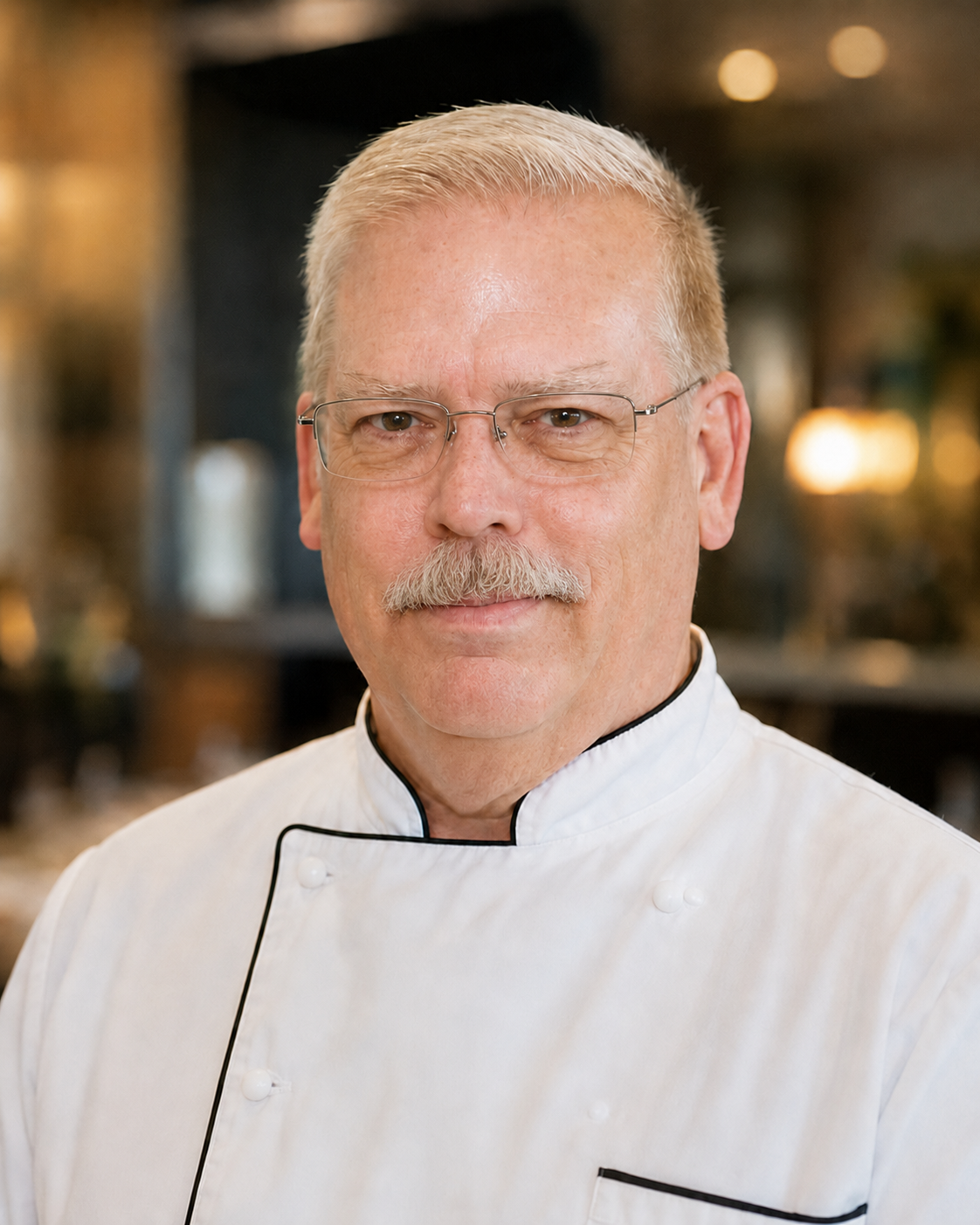
Chef David Arnold
Executive chef, international foodservice operations consultant, author, instructor, and mentor, Chef David Arnold brings more than forty years of hospitality experience to practical management work. His published professional background spans restaurants, hotels, institutional catering, central kitchens, and food manufacturing.
Chef David connects restaurant portioning with product specifications, yield and the financial effect of small repeated deviations.
Continue the work
Related reading
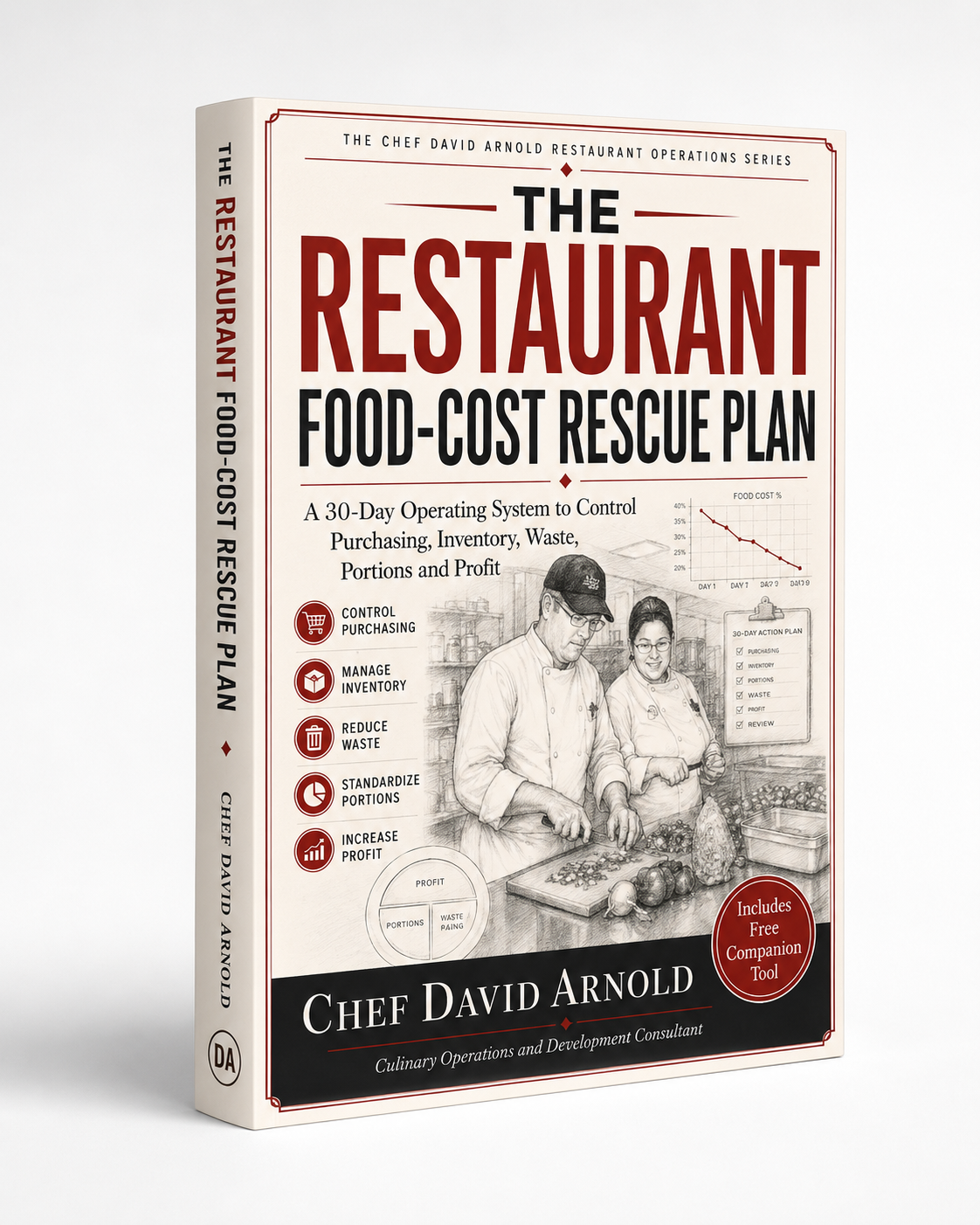
RESTAURANT OPERATIONS SERIES
The Restaurant Food Cost Rescue Plan
Find the leaks in purchasing, inventory, portions, and waste.
Explore this book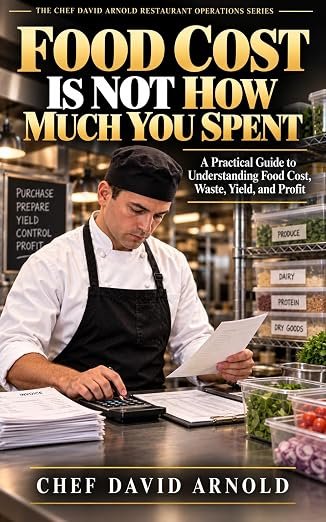
INSIGHTS
Food Cost Is Not How Much You Spent
Understand the difference between purchases and actual food cost, and investigate what your operation really consumed.
Explore this bookMore resources and reading: Publications · Stop Counting Inventory And Start Using It
Practical support
Need help applying this in your operation?
Discuss the operating problem, the evidence you have and the practical support your management team needs with Chef David Arnold.