Arnold Hospitality Press · Chef David Arnold
Insights
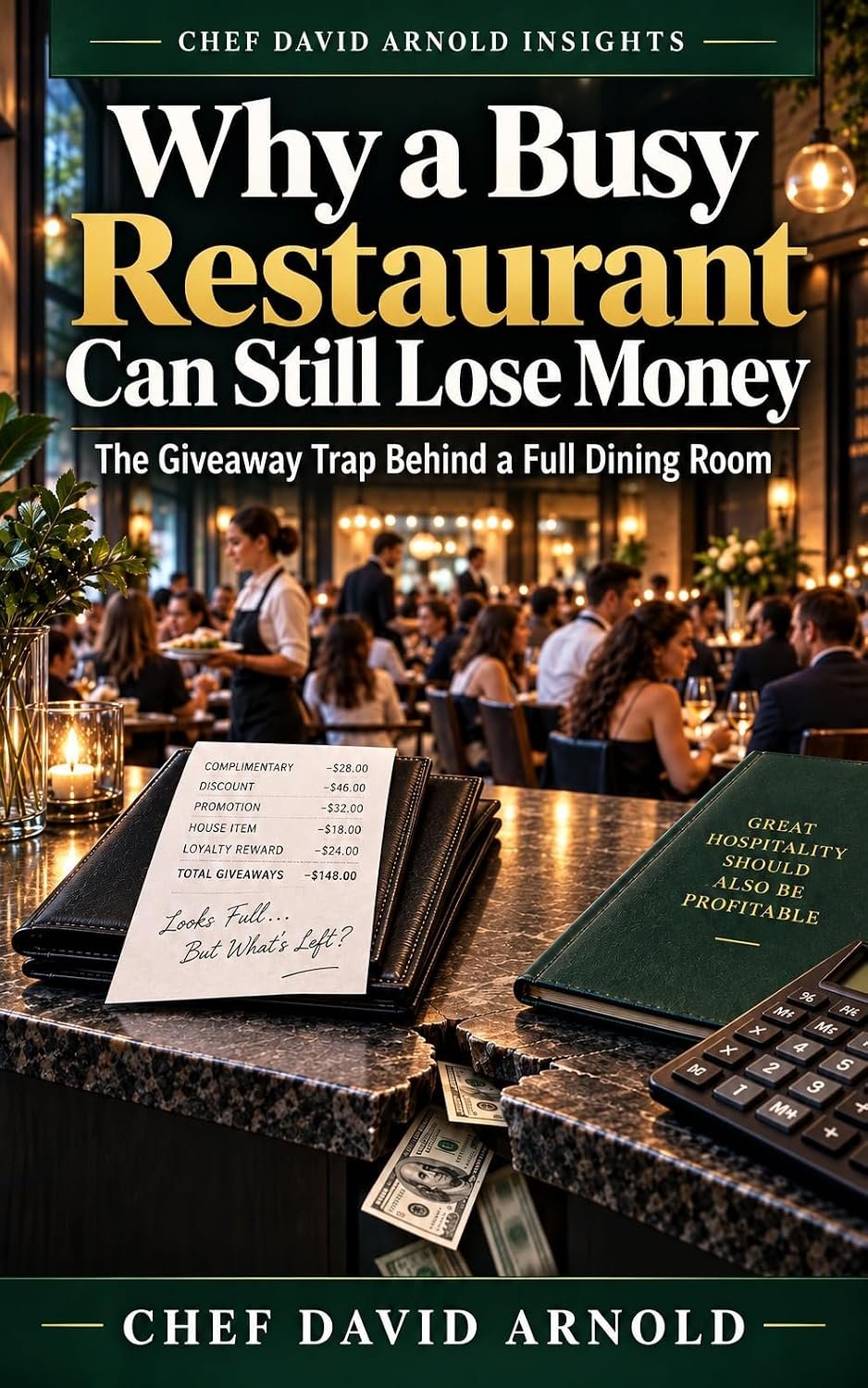
WHY A BUSY RESTAURANT CAN STILL LOSE MONEY
The Giveaway Trap Behind a Full Dining Room
Protect generosity from leakage.
Inside the operation
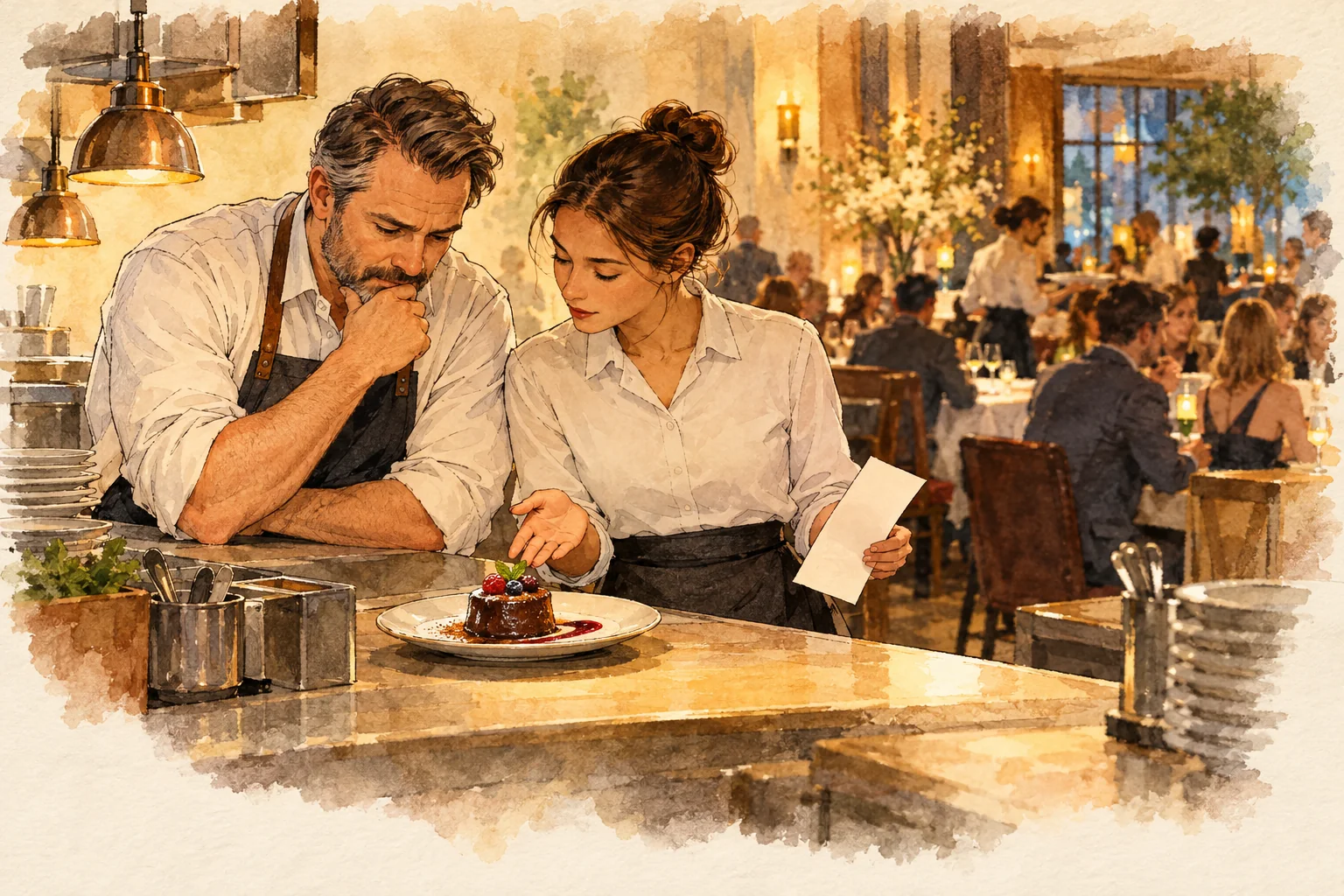
The promotion fills the room. What does the business keep?
A generous offer can create immediate evidence: occupied tables, redeemed coupons and a busy team. The result arrives later, after ingredients, labor, fees, waste and recovery have been paid.
Why a Busy Restaurant Can Still Lose Money examines the giveaway trap and the relationship between the guest’s reason for visiting, the promise being made and the contribution left after the work.
Chef David Arnold asks owners to describe the promise, measure its full cost and decide what evidence will justify continuing it.
Written for working restaurant owners, chefs and managers who need practical decisions they can put to work during an actual shift.
The book’s practical approach
Protect generosity from leakage.
Understand the Visit
Recognize why guests choose the restaurant and what they value in the experience.
Measure the Complete Offer
Include recipe cost, labor, capacity, waste, fees and recovery in the decision.
Review and Adjust
Make promotions answerable to evidence and protect the ability to deliver hospitality again.
Put the book to work
Bring the guidance into your operation.
Explore the existing companion resources and use the book’s operating guidance alongside the facts from your own restaurant.
Read an excerpt · Why I Wrote This Book
A Little Taste of the Book
From Why a Busy Restaurant Can Still Lose Money
I visit operations every year. Some surprise me with the strength of their business; others give me the expected picture after I have spent time with the owners on a Zoom call. In most instances, when I am called because profits are disappointing, the owners are surprised by my initial findings. They know their dining room is busy. They know the phones are ringing. They can point to a Saturday when every table was occupied. They have worked hard, and the room appears to be rewarding them.
That appearance is powerful. Most people—and most owners—believe that butts in the seats equal success. Sometimes that is true. A restaurant needs guests, and an empty room is rarely a healthy sign. But a full room is only the beginning of the calculation. A restaurant can sell every table, work every person to exhaustion, and still lose money. The demon is hiding under the surface, gobbling the money between the sale and the result.
The demon rarely announces itself. It does not wear a black cape or leave a note on the office door. It looks like a generous promotion that became permanent. It looks like a portion that grew by a few ounces, a schedule that stayed heavy after the rush, a delivery fee nobody assigned to the order, or a comp that felt too small to record. It looks like ten harmless decisions repeated a thousand times. By the time the owner sees the monthly result, the demon has learned the floor plan.
I have seen owners blame the menu, the neighborhood, the weather, the staff, and the cost of ingredients before anyone asks the simplest question: what did we keep after we did the work? That question is not an accusation. It is an invitation to look closely. The answer lives in the relationship between price, recipe, labor, capacity, waste, fees, and the reason a guest chose to come in that day.
Continue reading in Why a Busy Restaurant Can Still Lose Money
Available editions
Choose your edition
Continue reading the published Kindle edition. Amazon provides current pricing and availability for your location.
About the author
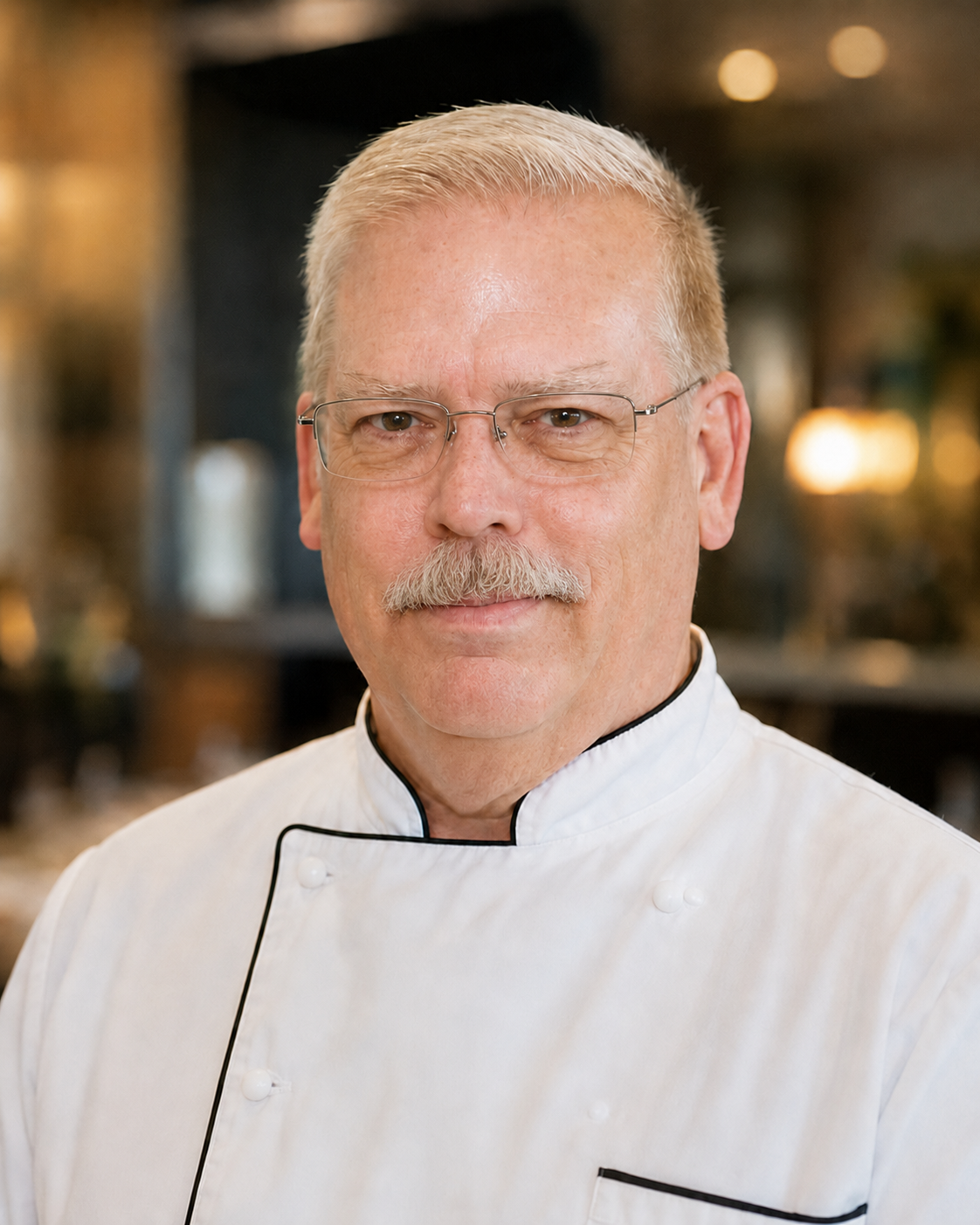
Chef David Arnold
Executive chef, international foodservice operations consultant, author, instructor, and mentor, Chef David Arnold brings more than forty years of hospitality experience to practical management work. His published professional background spans restaurants, hotels, institutional catering, central kitchens, and food manufacturing.
Chef David connects guest motivation, operating cost and honest measurement so generosity can support a sustainable restaurant.
Continue the work
Related reading
INSIGHTS
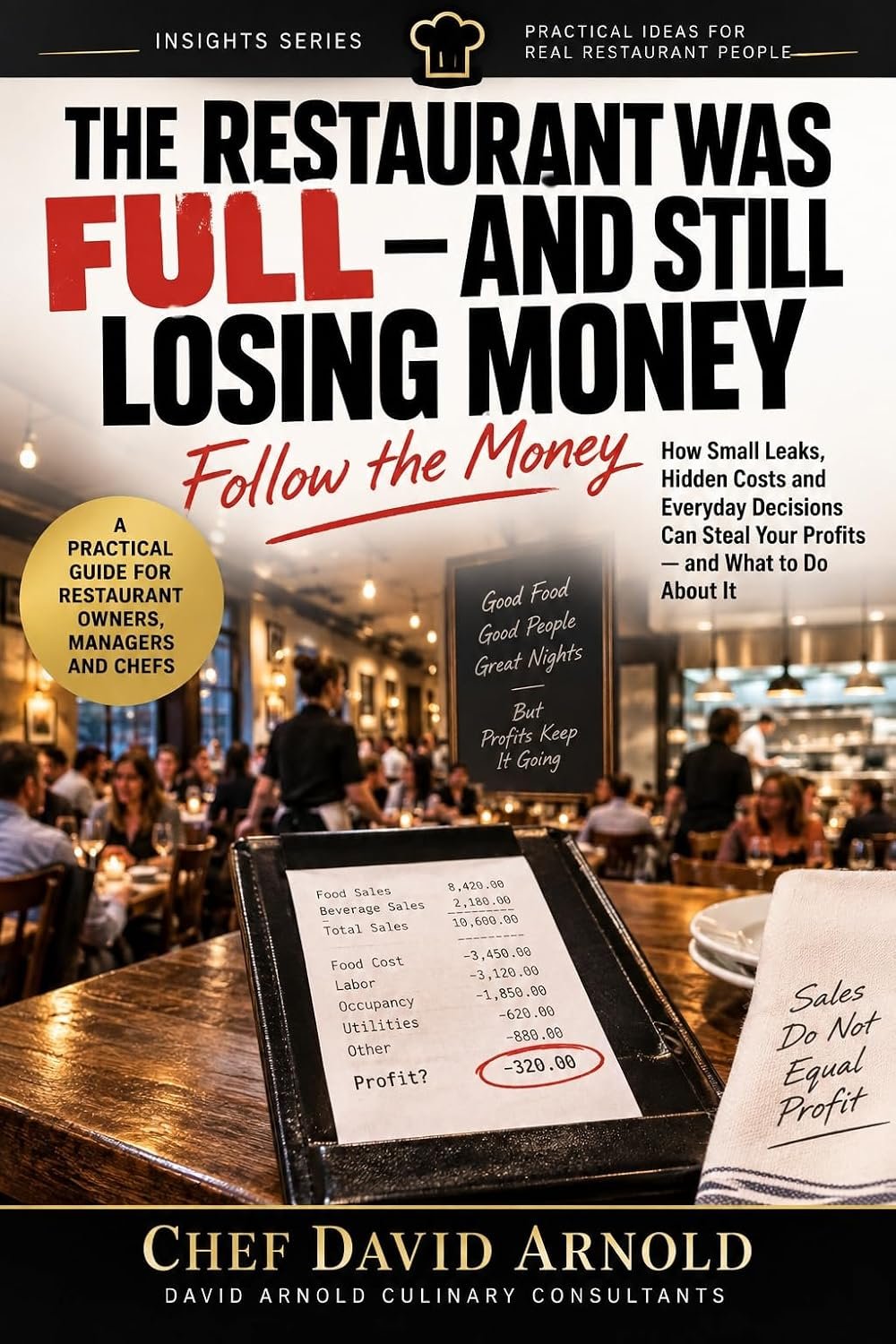
The Restaurant Was Full—and Still Losing Money
Follow the small operating losses that can hide behind strong sales.
Explore this book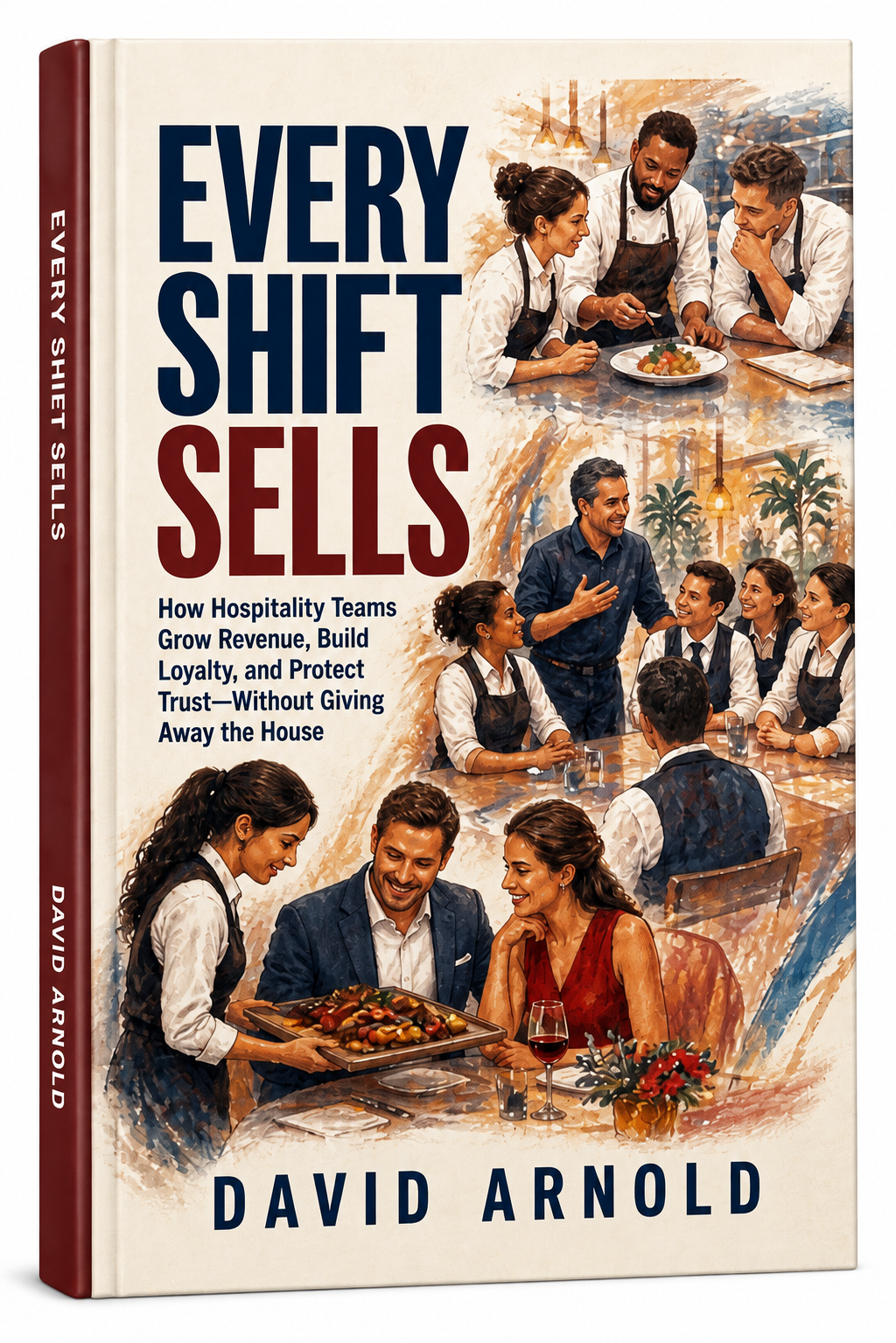
PROFESSIONAL RESTAURANT LIBRARY
Every Shift Sells
Build sales through thoughtful service, guest engagement, and a stronger hospitality culture.
Explore this bookMore resources and reading: Edible Yield Calculator · Food Cost Is Not How Much You Spent · Insights · Publications · Stop Counting Inventory And Start Using It · The Restaurant Food Cost Rescue Plan
Practical support
Need help applying this in your operation?
Discuss the operating problem, the evidence you have and the practical support your management team needs with Chef David Arnold.