Arnold Hospitality Press · Chef David Arnold
Insights
RESTAURANT SOPS THAT EMPLOYEES WILL ACTUALLY FOLLOW
The Procedure Nobody Read
Move the operating system closer to the work.

Inside the operation
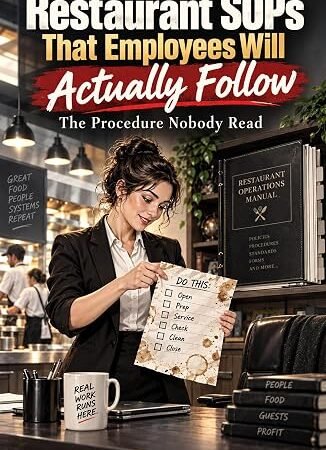
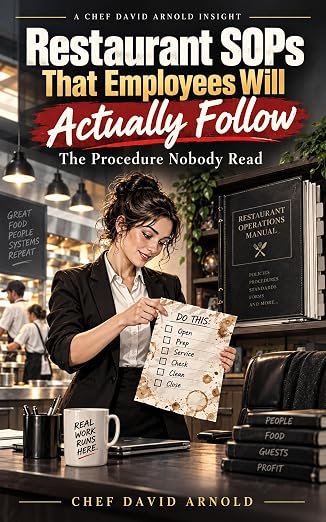
The binder looked perfect. The stained checklist looked useful.
Management has a polished manual with sections, revision dates and laminated dividers. The shift uses a battered sheet of fourteen closing tasks kept in a desk drawer.
Restaurant SOPs That Employees Will Actually Follow asks why the unofficial sheet became more useful than the approved procedure—and what management should learn from that fact.
Chef David Arnold keeps the standards and accountability while bringing the procedure into the place, language and sequence employees can actually use.
Written for working restaurant owners, chefs and managers who need practical decisions they can put to work during an actual shift.
The book’s practical approach
Move the operating system closer to the work.
Observe the Real Method
Find what employees use when they have to complete the work under pressure.
Make the Procedure Usable
Connect clear instructions and a practical checklist with the actual task.
Reinforce the Result
Train the method, verify the condition and update the process when the work reveals a gap.
Put the book to work
Bring the guidance into your operation.
Explore the existing companion resources and use the book’s operating guidance alongside the facts from your own restaurant.
Read an excerpt · A Note from the Author
A Little Taste of the Book
From Restaurant SOPs That Employees Will Actually Follow
If you have ever spent weeks creating an operations manual only to discover that your employees are using a coffee-stained piece of paper instead, this story may feel uncomfortably familiar. I once walked into a restaurant that had one of the most impressive procedure manuals I had ever seen, complete with numbered sections, laminated dividers, revision dates, photographs, checklists, and enough corporate language to make the thing look as though it had been prepared for a congressional hearing. The problem was that almost nobody in the restaurant actually used it.
I discovered the real operating procedure in the bottom drawer of an assistant manager's desk. It was a battered sheet of paper that had been folded so many times the creases were beginning to separate, and one corner carried a reddish stain that I decided was tomato sauce because the other possibilities were less pleasant. That ugly little sheet contained fourteen closing tasks, traveled through the restaurant every night, and was apparently more useful than the fifty-three-item official procedure sitting six feet away in a binder that looked as though it had never experienced weather.
That moment changed the way I think about SOPs. A procedure is not successful because management approved it, a consultant wrote it, an auditor accepted it, or somebody carefully placed it behind a tab marked Operations. It is successful when the person doing the work understands it, can find it, and actually wants to use it because it makes the job easier and the result better.
This story is about what happened when we stopped trying to make employees obey the binder and started trying to understand why the binder had become so easy to ignore. We did not throw away standards, accountability, documentation, or management control, because restaurants need all of those things. What we threw away was the idea that a procedure nobody uses is somehow valuable simply because it exists.
Continue reading in Restaurant SOPs That Employees Will Actually Follow
Available editions
Choose your edition
Continue reading the published Kindle edition. Amazon provides current pricing and availability for your location.
About the author
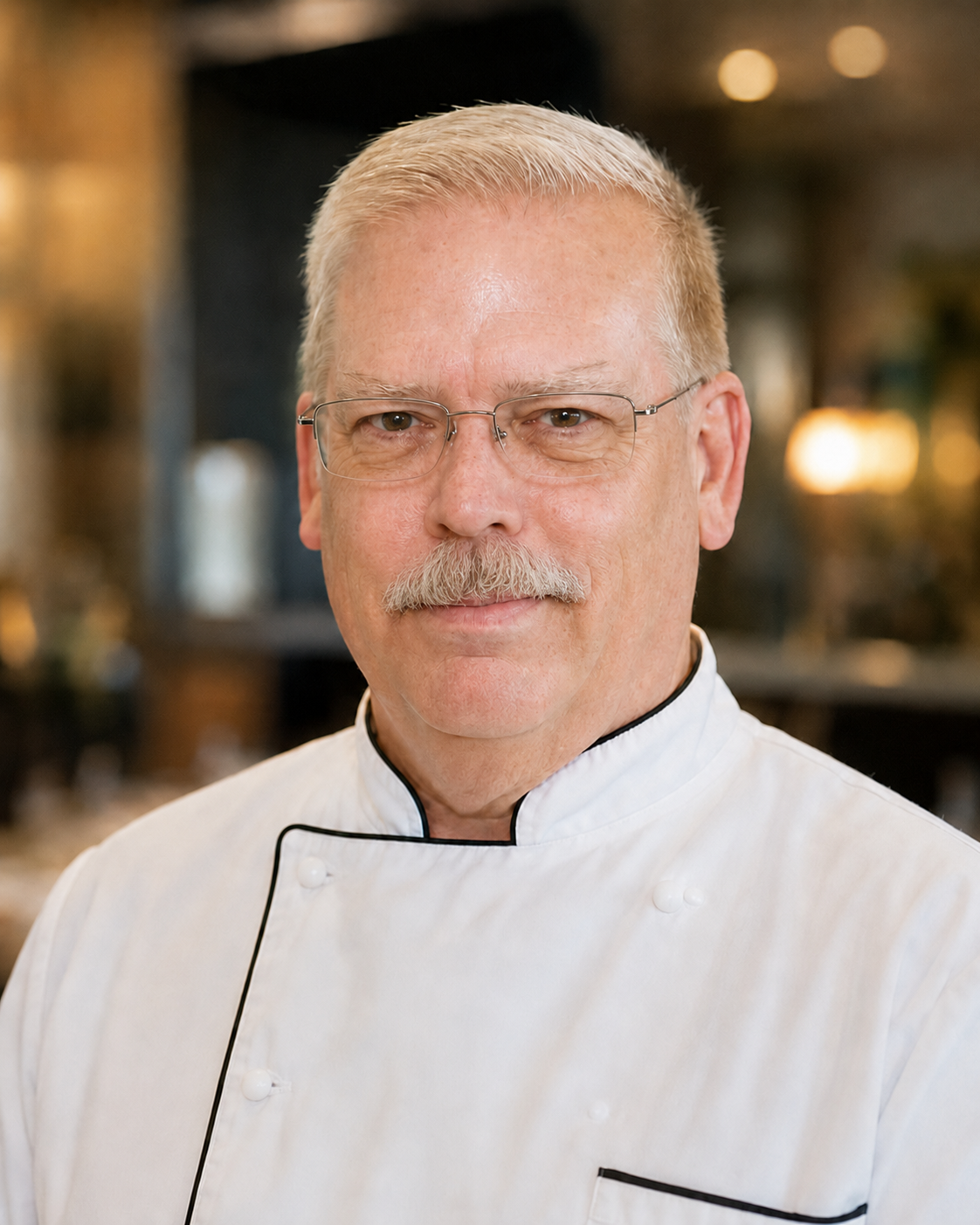
Chef David Arnold
Executive chef, international foodservice operations consultant, author, instructor, and mentor, Chef David Arnold brings more than forty years of hospitality experience to practical management work. His published professional background spans restaurants, hotels, institutional catering, central kitchens, and food manufacturing.
Chef David connects documented standards with practical execution, usable checklists and the management follow-through that makes procedures matter.
Continue the work
Related reading
PROFESSIONAL RESTAURANT LIBRARY
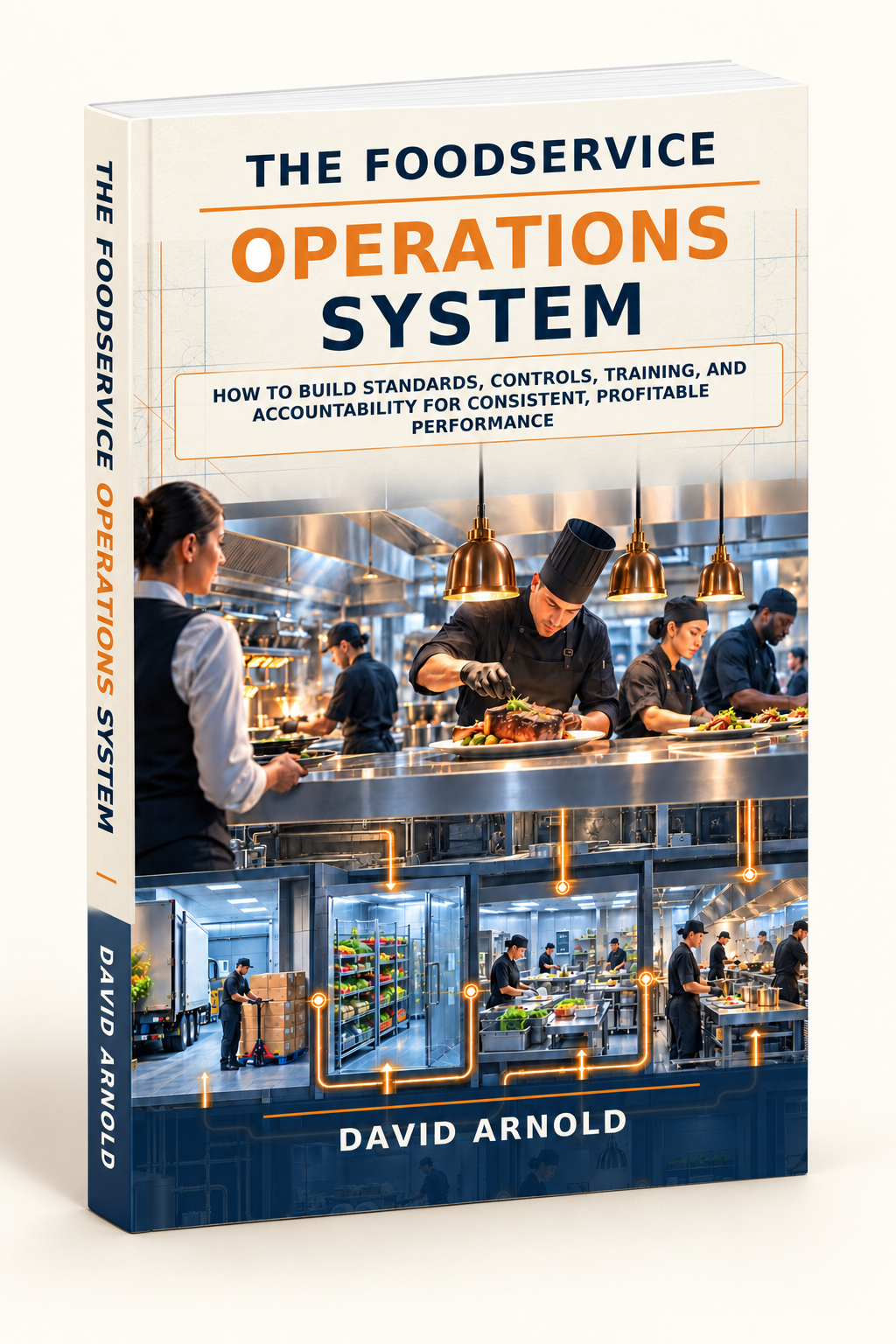
The Foodservice Operations System
Build standards, controls, training, and accountability into one dependable operating system.
Explore this book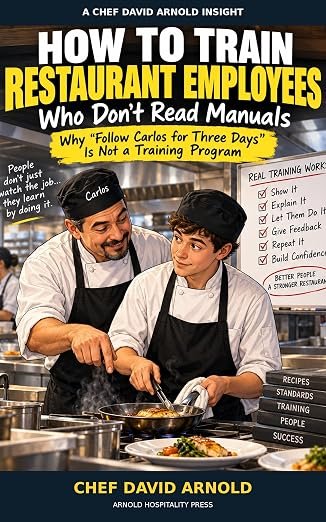
INSIGHTS
How to Train Restaurant Employees Who Don’t Read Manuals
Build practical training through demonstration, supervised practice, clear standards, and checks of employee competence.
Explore this bookMore resources and reading: Food Cost Is Not How Much You Spent · Publications · Stop Counting Inventory And Start Using It · The Foodservice Operations Toolbox
Practical support
Need help applying this in your operation?
Discuss the operating problem, the evidence you have and the practical support your management team needs with Chef David Arnold.