Arnold Hospitality Press · Chef David Arnold
Insights
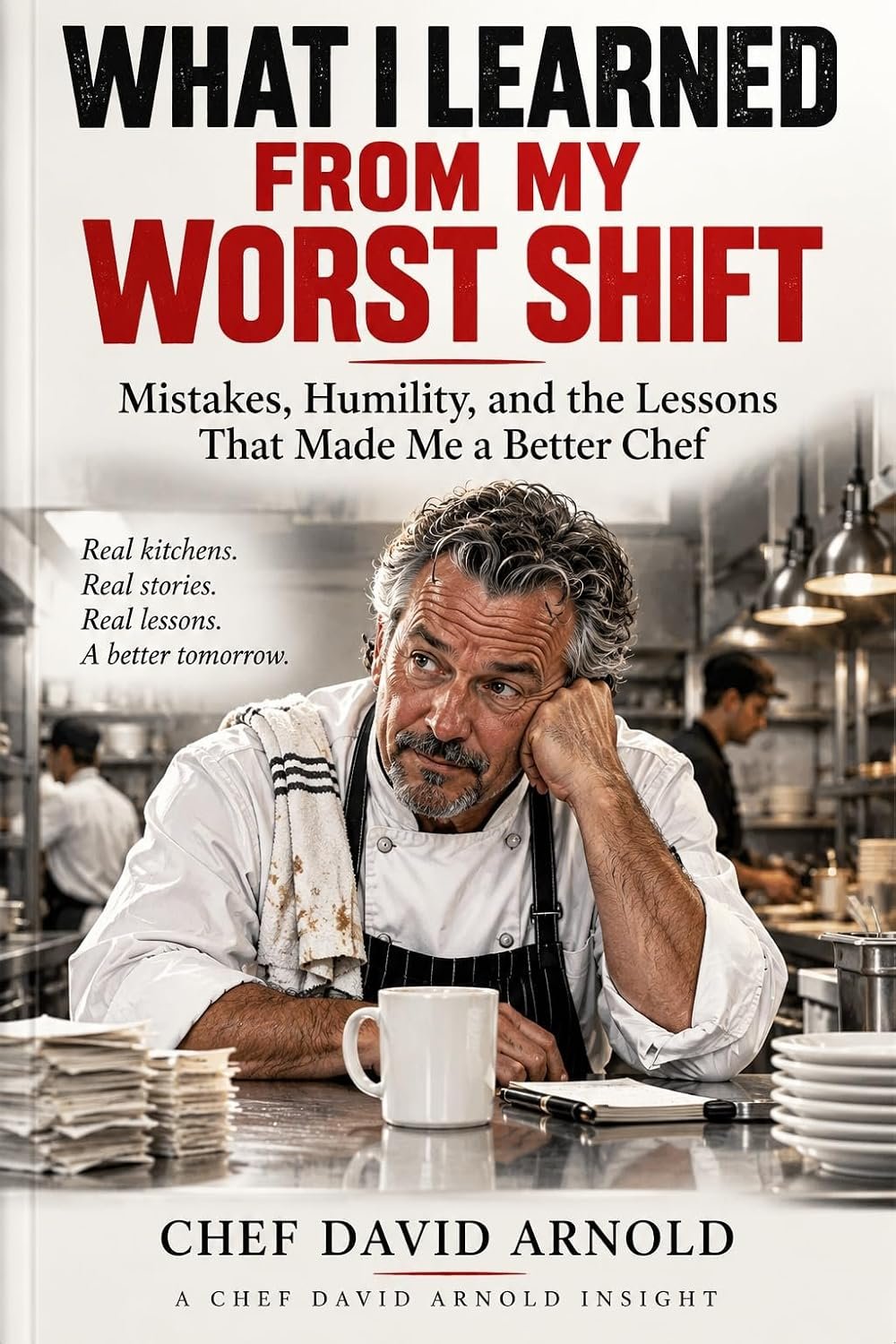
WHAT I LEARNED FROM MY WORST SHIFT
Mistakes, Humility, and the Lessons That Made Me a Better Chef
Come back better.
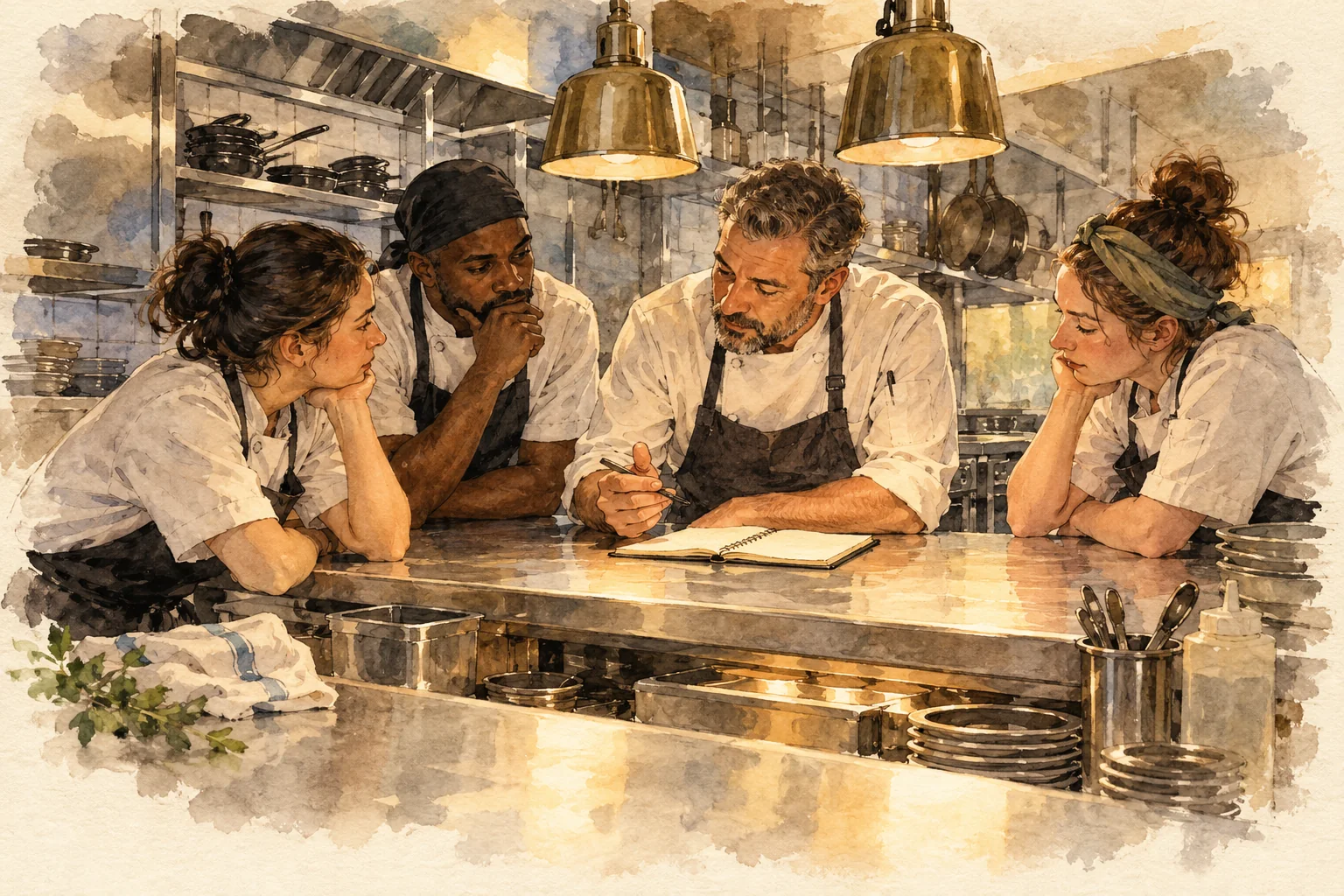
Inside the operation
Some shifts follow you home.
A difficult service can leave more than a full ticket rail. It leaves the decision made too late, the preparation that went unchecked and the guest who became the final inspector of a weak system.
What I Learned From My Worst Shift examines the openings, mistakes, pressure and leadership lessons that remain after the adrenaline has faded.
Chef David Arnold looks at the bad nights and the good ones, asking what actually made the difference and which lessons deserve to become tomorrow’s preparation.
Written for working restaurant owners, chefs and managers who need practical decisions they can put to work during an actual shift.
The book’s practical approach
Come back better.
Examine Readiness
Look at what should have been trained, checked or prepared before the first ticket.
Question the Leadership
Separate useful action from pride, assumptions and panic under pressure.
Carry the Lesson Forward
Turn the evidence of a difficult shift into a practical change you can observe next time.
Put the book to work
Bring the guidance into your operation.
Explore the existing companion resources and use the book’s operating guidance alongside the facts from your own restaurant.
Read an excerpt · Why I Wrote This Book
A Little Taste of the Book
From What I Learned From My Worst Shift
There are bad shifts, and then there are BAD shifts.
A bad shift is when the printer jams, somebody calls out, the salmon is running low, and the dishwasher decides at 7:05 that tonight is the night it will begin making a sound normally associated with farm machinery. You swear a little, improvise a lot, get everyone through it, and by midnight you are laughing about the whole thing over a cold drink or a cup of coffee that has been sitting on the office desk since lunch. A BAD shift is different. A BAD shift follows you home.
It sits in the passenger seat while you drive. It waits until the shower is running and then reminds you of the ticket you lost, the guest you disappointed, the cook you snapped at, the prep you should have checked, the decision you made too late, or the moment when the whole dining room seemed to lean in one direction and the kitchen leaned in the other. It is the kind of shift that makes you ask a question no chef wants to ask after midnight: How did I let that happen?
I have had enough years in this business to collect a few of those questions.
I can remember the first soft opening in Taipei, Taiwan, with an owner pushing hard to get open before the Christmas shoppers disappeared. I remember the first opening of our first Date Store in Saudi Arabia. That one was not necessarily a disaster, but there was certainly pressure. Our sheikh owner wanted one hundred new stores open before the end of the following year, which is the kind of goal that can make a perfectly reasonable opening schedule look timid before breakfast. I remember watching a pizza restaurant soft opening in Rome from afar, which teaches its own kind of helplessness because you can see things you want to reach through the screen and fix with your own hands. I remember the opening in Queens, New York, that never was.
Continue reading in What I Learned From My Worst Shift
Available editions
Choose your edition
Continue reading the published Kindle edition. Amazon provides current pricing and availability for your location.
About the author
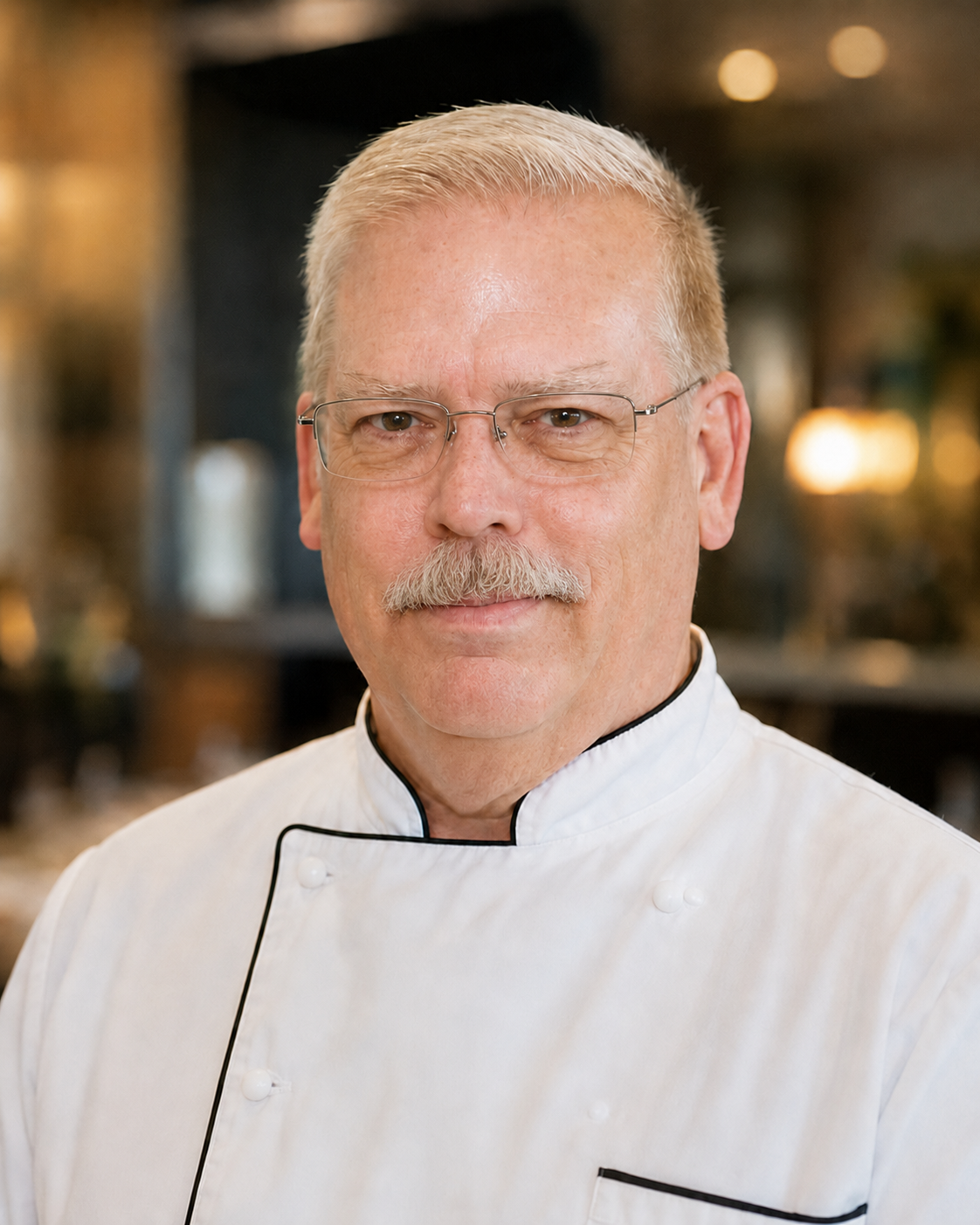
Chef David Arnold
Executive chef, international foodservice operations consultant, author, instructor, and mentor, Chef David Arnold brings more than forty years of hospitality experience to practical management work. His published professional background spans restaurants, hotels, institutional catering, central kitchens, and food manufacturing.
Chef David draws on decades of openings and demanding services to examine the practical lessons that make a chef and manager more capable.
Continue the work
Related reading
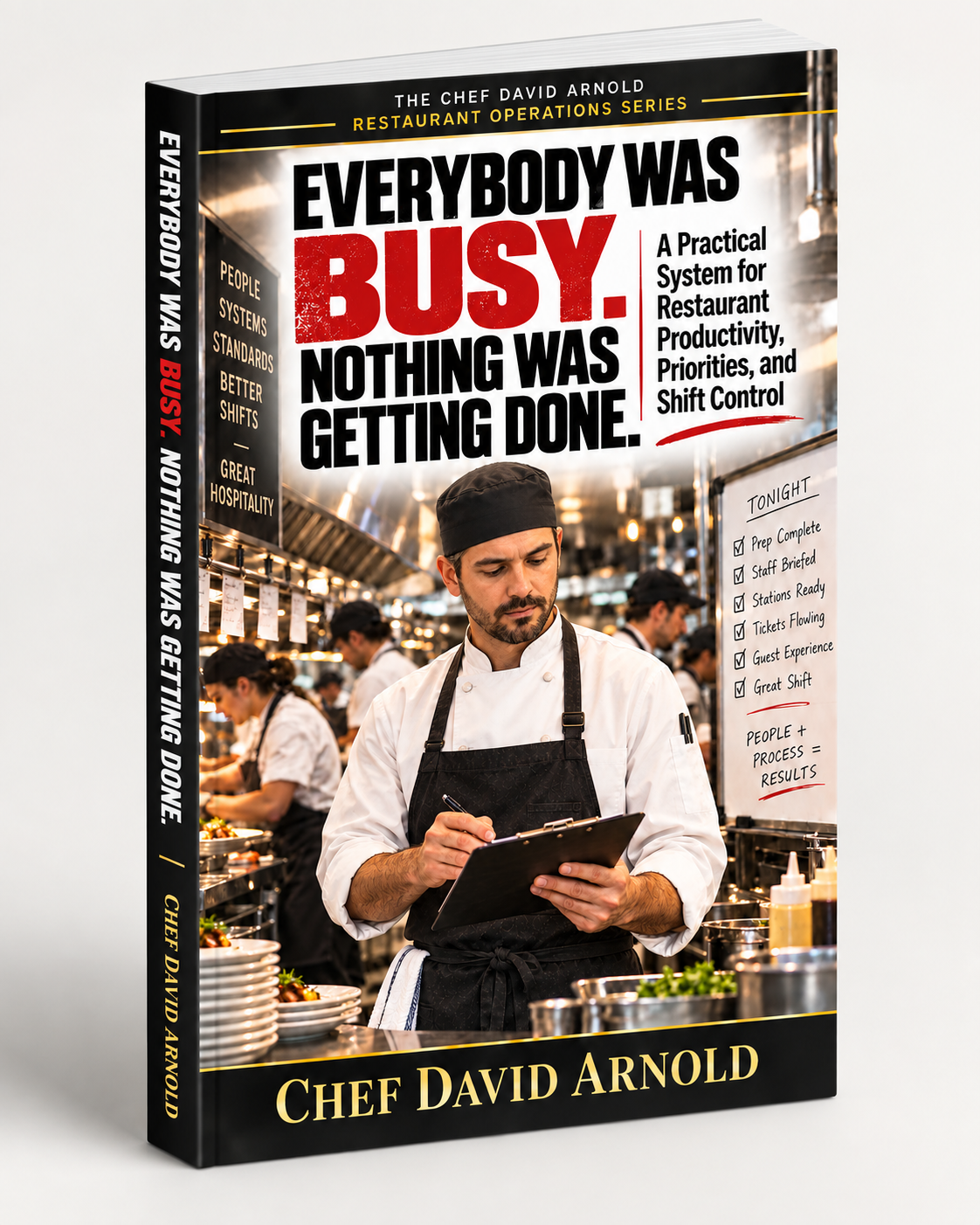
RESTAURANT OPERATIONS SERIES
Everybody Was Busy. Nothing Was Getting Done.
Turn activity into results with clearer priorities, ownership, and shift control.
Explore this book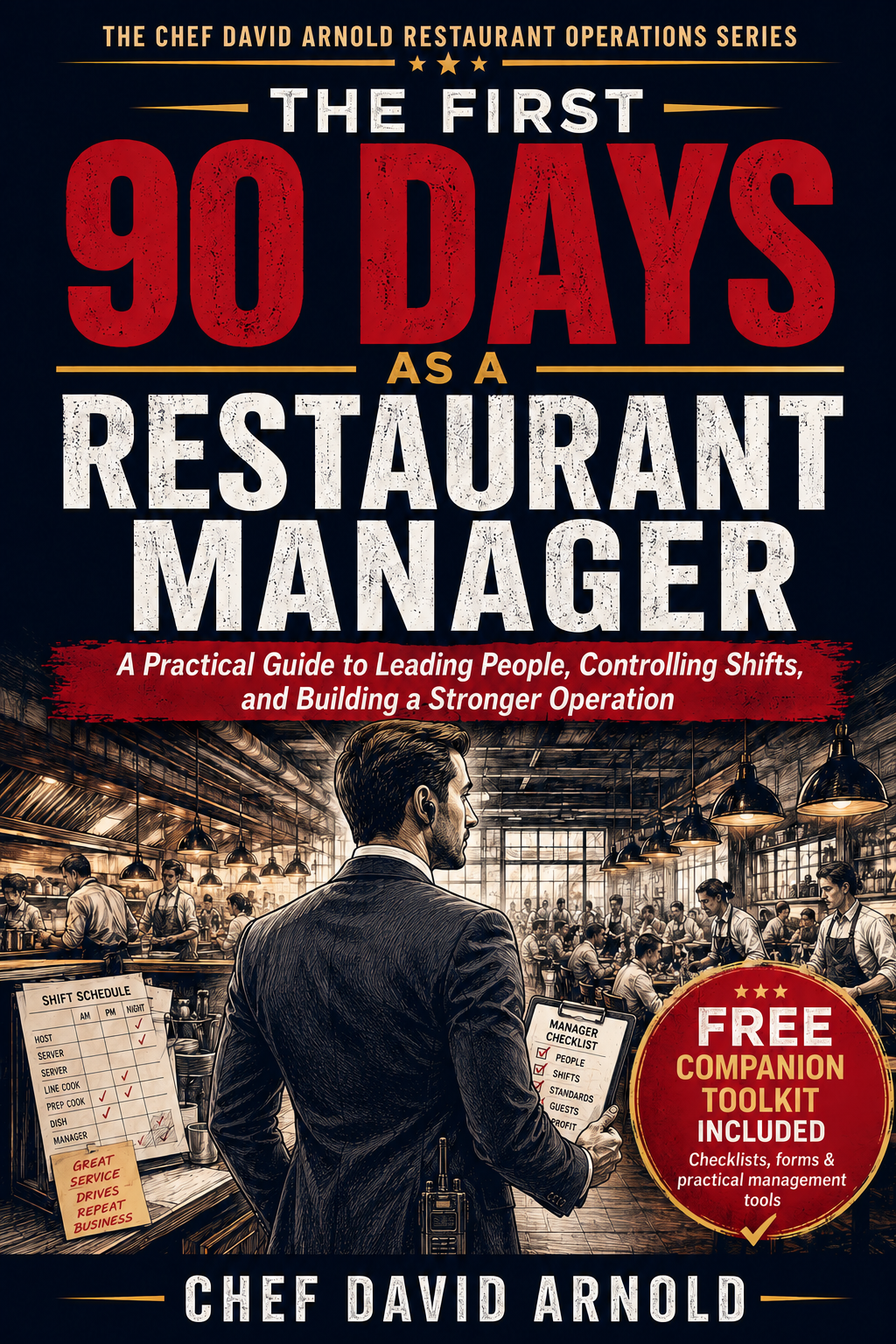
RESTAURANT OPERATIONS SERIES
The First 90 Days as a Restaurant Manager
A practical start to leading people, controlling shifts, and building routines.
Explore this bookMore resources and reading: Food Cost Is Not How Much You Spent · Publications · Stop Counting Inventory And Start Using It
Practical support
Need help applying this in your operation?
Discuss the operating problem, the evidence you have and the practical support your management team needs with Chef David Arnold.