
Arnold Hospitality Press · Chef David Arnold
Insights
STOP CALLING YOUR EMPLOYEES “FAMILY”
Why Great Teams Need Trust, Standards, and Accountability
Care about people. Lead the team professionally.
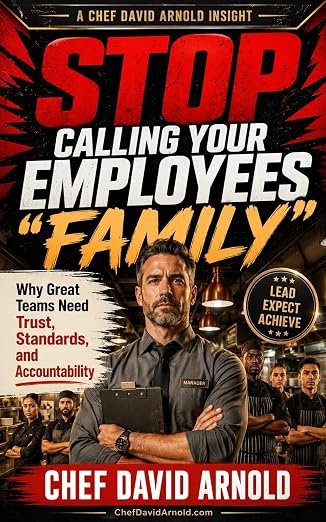

Inside the operation
“We’re one big happy family here.” Then a standard is missed.
Warmth, loyalty and friendship can make a workplace worth joining. They can also become excuses for unclear expectations, favoritism and conversations management would rather avoid.
Stop Calling Your Employees “Family” begins with a memorable conversation in Mogadishu and follows the distinction between a strong team and an unconditional personal relationship.
Chef David Arnold connects compassion with professional boundaries, clear responsibilities and accountability people can understand before a problem occurs.
Written for working restaurant owners, chefs and managers who need practical decisions they can put to work during an actual shift.
The book’s practical approach
Care about people. Lead the team professionally.
Keep the Care
Respect people, offer appropriate support and build trust through the way the team is treated.
Clarify the Standard
Make roles, boundaries and expectations visible rather than relying on personal loyalty.
Make Accountability Fair
Follow through consistently so cooperation does not become a system of private exceptions.
Put the book to work
Bring the guidance into your operation.
Explore the existing companion resources and use the book’s operating guidance alongside the facts from your own restaurant.
Read an excerpt · Stop Calling Your Employees “Family”
A Little Taste of the Book
From Stop Calling Your Employees “Family”
The title sounds a little harsh.
Maybe it is.
But I learned a long time ago that there is a difference between building a strong team and pretending the people who work for you are your family.
My first tour in Somalia was eye-opening, to say the least.
How I ended up there is an entirely different story—and one I will certainly tell another day. This story is about false promises, unnecessary pressure, and what happens when we confuse professional relationships with personal ones.
I arrived in Mogadishu and met the Country Manager on my first day. I liked him immediately. He was a good guy, personable and easy to talk to. His management style was very much about being everyone's pal. He surrounded himself with people he considered friends and believed his friends wouldn't let him down.
There was just one problem with that philosophy.
Friends sometimes let you down too.
But that's another story.
After meeting his second-in-command and several of the senior people, we started making the rounds to meet the support staff.
Our first stop was Security.
That seemed like a particularly good place to start.
When I had stepped off the plane in Mogadishu the night before, I had been issued a Kevlar vest and a helmet. This was not exactly standard equipment in most kitchens where I'd worked.
I'm a cook.
I'm not a soldier.
So meeting the man responsible for keeping us alive seemed like an excellent idea.
And this guy looked the part.
He was a brute of a man who radiated a very clear message: Don't mess with me.
Exactly what you want in the person running security in a place like Mogadishu.
We talked for a while, and eventually he began explaining the culture of the operation.
“We're one big happy family here.”
I stopped him.
“Family?”
“YES!” he answered enthusiastically.
Now, I have always been a little suspicious when I walk into an operation and immediately hear people describing themselves as a family. Sometimes it's genuine affection. Sometimes it's management trying to manufacture loyalty. And sometimes it's simply a convenient way of avoiding the uncomfortable distinction between friendship and accountability.
So, being the smart aleck that I occasionally am, I looked at this enormous security man and calmly asked:
“Okay. Which one of my brothers is taking a bullet for me? Because I'm just the cook.”
Continue reading in Stop Calling Your Employees “Family”
Available editions
Choose your edition
Continue reading the published Kindle edition. Amazon provides current pricing and availability for your location.
About the author
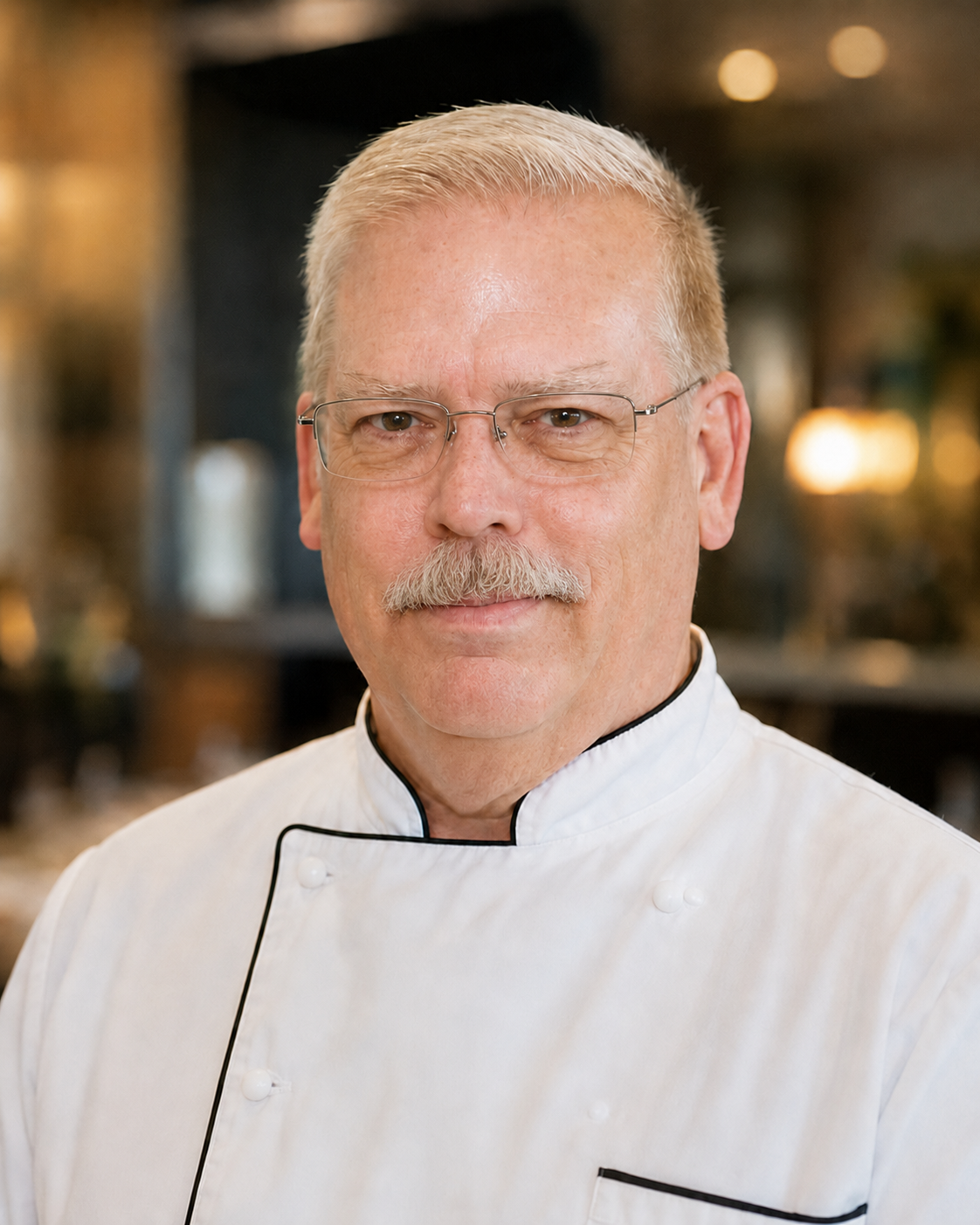
Chef David Arnold
Executive chef, international foodservice operations consultant, author, instructor, and mentor, Chef David Arnold brings more than forty years of hospitality experience to practical management work. His published professional background spans restaurants, hotels, institutional catering, central kitchens, and food manufacturing.
Chef David connects decades of leadership experience with the professional boundaries and fair standards that support a dependable team.
Continue the work
Related reading
INSIGHTS
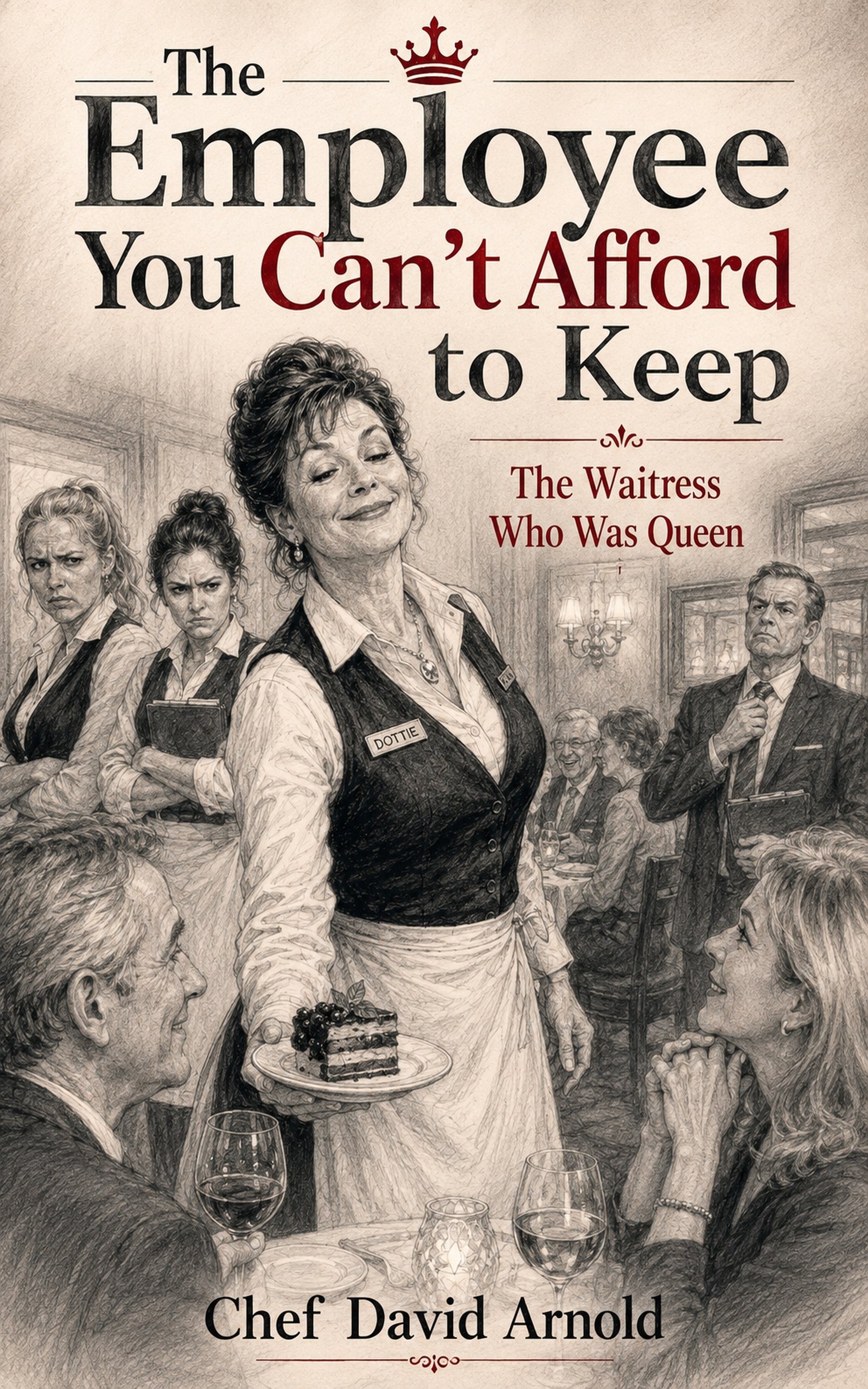
The Employee You Can’t Afford to Keep
Examine the operational and cultural cost of making repeated exceptions for an experienced employee who undermines standards.
Explore this book
INSIGHTS
From Chef to Kitchen Leader
Develop the people skills, delegation habits, and management routines needed to move from skilled cook to effective kitchen leader.
Explore this bookMore resources and reading: Food Cost Is Not How Much You Spent · #Insight Books · Stop Counting Inventory And Start Using It · The First 90 Days As A Restaurant Manager
Practical support
Need help applying this in your operation?
Discuss the operating problem, the evidence you have and the practical support your management team needs with Chef David Arnold.